What it means
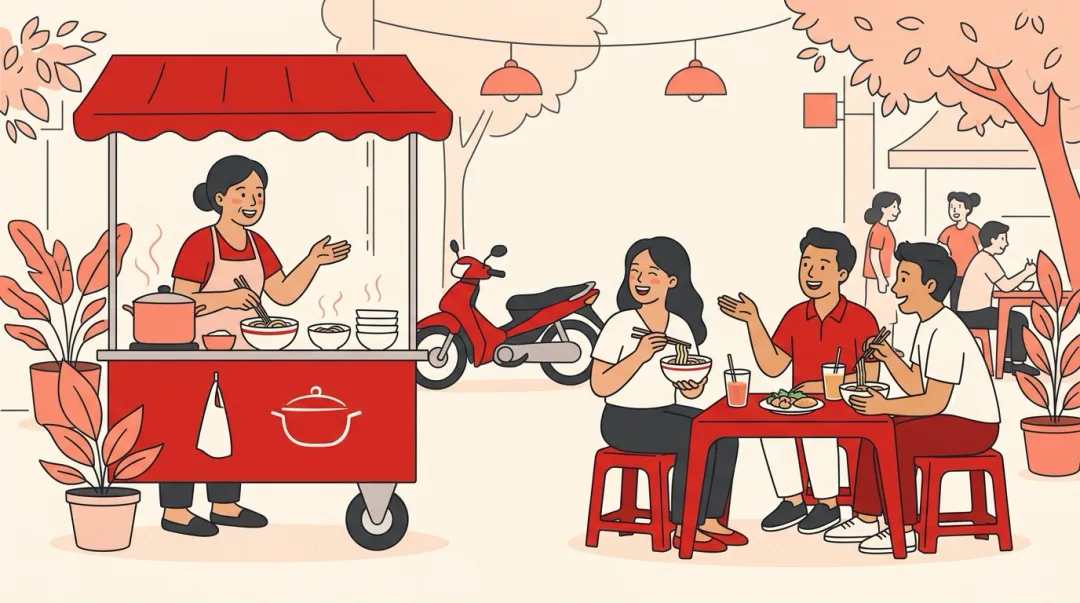
Vietnamese splits 'we' into two grammatically distinct pronouns based on whether the listener is included. Chúng tôi is exclusive — 'we, not including you'. Chúng ta is inclusive — 'we, including you'. English collapses both into a single ambiguous 'we', so this is a real conceptual leap for English-speaking learners. The choice carries social weight: using chúng ta to a boss in a context where they aren't actually included implies they ARE (and can feel presumptuous), while using chúng tôi when the listener should obviously be included can feel cold or distancing. Getting this right is foundational politeness, not optional nuance.
CHÚNG TÔI, có nghĩa là chúng tôi, không bao gồm người nghe CHÚNG TA, có nghĩa là chúng ta, bao gồm cả người nghe
In real Southern Vietnamese
Showing 2 of 8 — subscribe to unlock 6 more with audio and word-by-word gloss.
Subscribe to unlock 6 more examples
You're seeing a teaser. Subscribers get every example with native audio, word-by-word gloss, side-by-side compare panels, and common-mistake callouts.
- Native Southern audio on every example
- Word-by-word interlinear gloss
- Compare panel with similar patterns
- Common-mistake callouts & usage notes
Pay with SVFF Credit · Cancel anytime · Gift access is available when SVFF Team grants it · Learn more
Where to go next
Also in "Pronouns & Address Terms — The Relational System"
Nearby in the A-Z
Your vote helps us improve this grammar reference.
