
November 20 is coming, and you have a school celebration to figure out. Do parents come along? Should your child bring flowers? Start with one friendly question: “Dạ, ngày 20 tháng 11 trường mình có chương trình gì không cô?” — what does the school have planned? You can join the day with a few clear words and a gesture that fits your school.
What happens on November 20?
Vietnamese Teachers’ Day falls on November 20 each year. In Saigon, students have celebrated with handmade cards and school activities. Your first step is to find out what your own school has planned.
If you are a foreign parent, a Vietnamese learner, or the partner helping with a school message, begin with one practical task: find out what is actually happening. A celebration notice does not tell you whether parents should attend, whether classes follow the usual timetable, or whether the school accepts flowers. Ask before arranging your morning around it.
For a greeting you can practice together, see SVFF’s Teachers’ Day video lesson. Here, let’s work through checking the plan, choosing a card, and finding a comfortable way to speak.
What might you see at a Saigon school?
You might see handmade cards or a shared class activity. Begin with the school’s invitation, then choose a way for your family to take part.
Tuổi Trẻ’s November 2024 coverage featured student-made cards, including work from Nguyễn Thị Minh Khai High School in HCMC. Separately, a November 2025 report described HCMC schools asking for books, supplies, or scholarships instead of flowers. Let those examples give you ideas, then follow your own school’s current invitation.
For a family, the next step can be modest: read the current notice together, choose one activity your child wants to join, and clarify anything that affects attendance. Keep the school name, date, and contact person beside you when you ask. That makes it easier to get a useful answer than sending a broad question about “Vietnamese customs.”
What should a parent ask first?
Ask whether parents are invited and whether the school has guidance about gifts. Use the answer to plan your participation rather than treating another family’s choice as a rule.
You can use a question about the school’s November 20 plans and the question about flowers. Send just the question you need. If the school has already said it will not accept flowers, acknowledge that decision and choose the suggested alternative, if any. There is no need to negotiate a special exception for your family.
When speaking for a younger child, you can introduce yourself as the child’s parent in English if that is clearer. Then use one Vietnamese question you can say comfortably. The point is to understand the plan, so keep a translation available and confirm important details in writing.
Should you bring flowers or a gift?
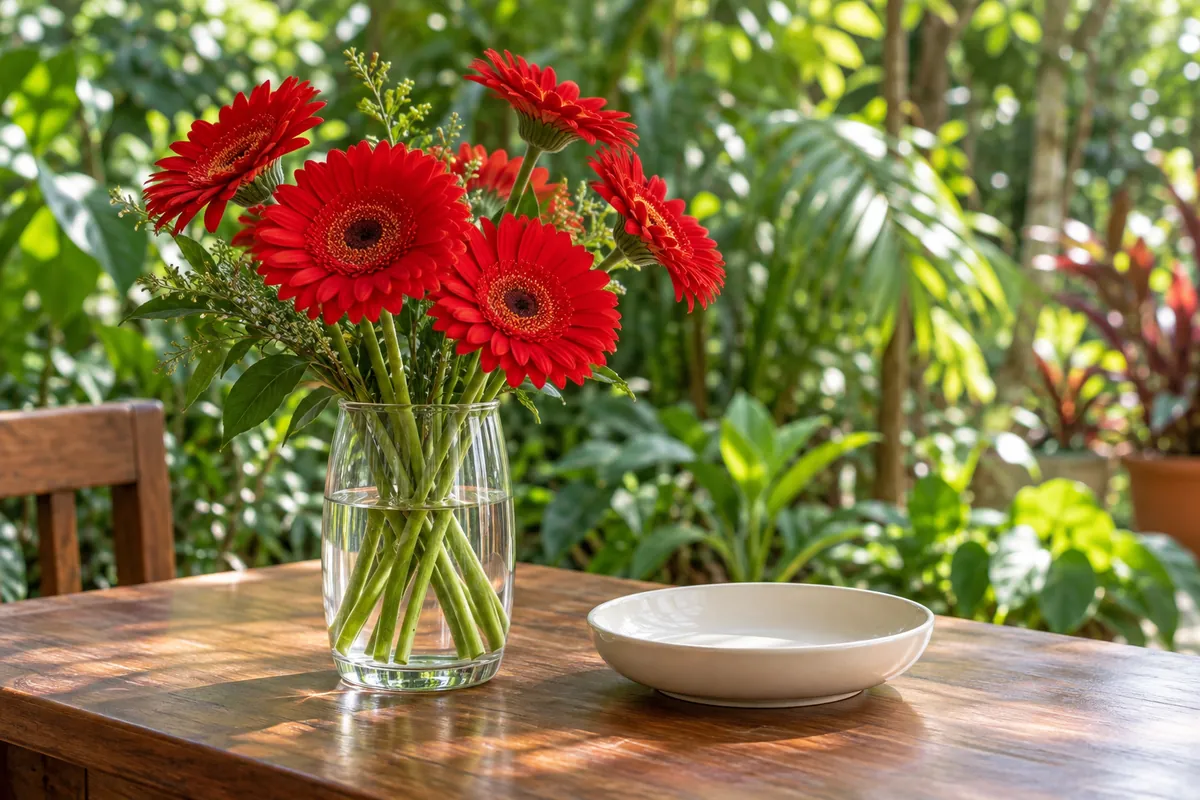
Check the current school policy before buying anything. A card is a practical option to ask about, and a gift should never become the condition for taking part.
The 2025 reporting included Phan Văn Trị Primary School requesting items for student activities instead of flowers and gifts. A school may have a particular form of support in mind. Its own notice will tell you which gesture is welcome.
Our suggestion is to keep your gesture easy to receive. If cards are welcome, let the student add a drawing, a signature, or one thing they remember learning. If you want to contribute to a class activity, ask the organizer how participation works before agreeing. A clear question is more useful than guessing an expected gift or contribution.
How can a student take part without a long speech?
Choose one greeting and one sentence of thanks. Practice them slowly, then let the student decide whether to say them aloud or write them on a card.
You might rehearse the handover at home: approach, give the card, say the chosen line, and pause. Avoid adding a whole performance after the child has learned a comfortable sentence. If your child wants to draw instead, help them explain the drawing in the language they can manage.
For an adult language learner, the same approach works at the beginning or end of a lesson. Thank your teacher for something specific: explaining a difficult sound, helping you understand a family conversation, or patiently repeating a sentence. Choose something that actually happened. You do not need to invent a dramatic story to make the note personal.
Which forms of address fit the situation?
Use the form of address already established with the teacher, and check if you are unsure. Vietnamese address terms depend on the relationship, including age and social role.
Our examples use a younger learner addressing a female teacher as “cô” and a male teacher as “thầy.” Its parent questions leave out a first-person pronoun, which avoids making a new assumption about the parent’s age relative to the teacher. If you are an older adult student, ask your teacher to adapt the sentence before copying it.
SVFF’s pronoun guide explains the broader system. The lesson on dạ gives context for the respectful opening used here. You can speak Southern Vietnamese warmly without filling every line with casual particles.

How can you prepare before the day?
Make a small plan: confirm the school’s instructions, choose one gesture, and rehearse one useful exchange. Leave space for the teacher’s reply instead of memorizing a speech that must run to the end.
For practice, ask a partner to give three possible answers: parents are invited, the celebration is for students, or the school will send details later. You can rehearse acknowledging each answer in English first. Then ask your teacher for the Vietnamese response that suits your level.
After the celebration, return to the everyday relationship. Read the next school notice, help with the next assignment, or bring your next language question to class. For more ways to express appreciation beyond this date, use SVFF’s guide to thanking and responding.
Which phrases can you practice?
Use the forms of address that fit your relationship.
| Vietnamese | Meaning / when to use |
|---|---|
| Dạ, ngày 20 tháng 11 trường mình có chương trình gì không cô? | What does the school have planned for November 20? Ask a female teacher or school contact about the plan. |
| Dạ, phụ huynh có tham dự được không cô? | May parents attend? Check whether the event includes parents. |
| Dạ, trường mình có nhận hoa không cô? | Does the school accept flowers? Ask before buying flowers; use thầy for a male teacher. |
| Em xin gửi cô tấm thiệp này. | This card is for you. A learner who already uses em with a female teacher hands over a card. |
| Em cảm ơn thầy đã chỉ dạy em tận tình. | Thank you for teaching me so patiently. A learner thanks a male teacher; switch to cô when appropriate. |
| Chúc cô ngày 20 tháng 11 vui vẻ! | Wishing you a happy November 20! A short spoken or written greeting to a female teacher. |
Frequently asked questions
When is Vietnamese Teachers’ Day in 2026?
Vietnamese Teachers’ Day is on November 20, 2026.
Do all Saigon schools accept flowers?
No single gift policy should be assumed. Check your school’s current notice before buying flowers or another gift.
Can a foreign student give a card?
A card is a practical option to ask the school or teacher about. Keep the message personal and follow any current school guidance.
Which pronoun should an adult learner use?
Use the form of address already established with your teacher. Ask for an adaptation if a sample sentence does not fit your age or relationship.
Ready to practice?
To rehearse a school conversation with a 1-on-1 Vietnamese teacher, Book a free trial lesson.
Sources
- Annual November 20 date and purpose of Teachers’ Day → Government decision on Teachers’ Day.
- 2024 HCMC student-made cards, including Nguyễn Thị Minh Khai High School → Tuổi Trẻ’s 2024 student cards report.
- 2025 examples of HCMC schools preferring supplies or scholarships; Phan Văn Trị example; no inference about 2026 policy → 2025 HCMC school examples.
- Address terms depend on relationship; cô, thầy, em and omission of pronouns in context → Vietnamese pronouns reference.
- Vietnamese tones and diacritics; language examples are original compositions → Vietnamese language reference.





0 Comments
Log in to leave a comment.