Tiếng Việt Của Con — Southern Vietnamese for Kids by SVFF
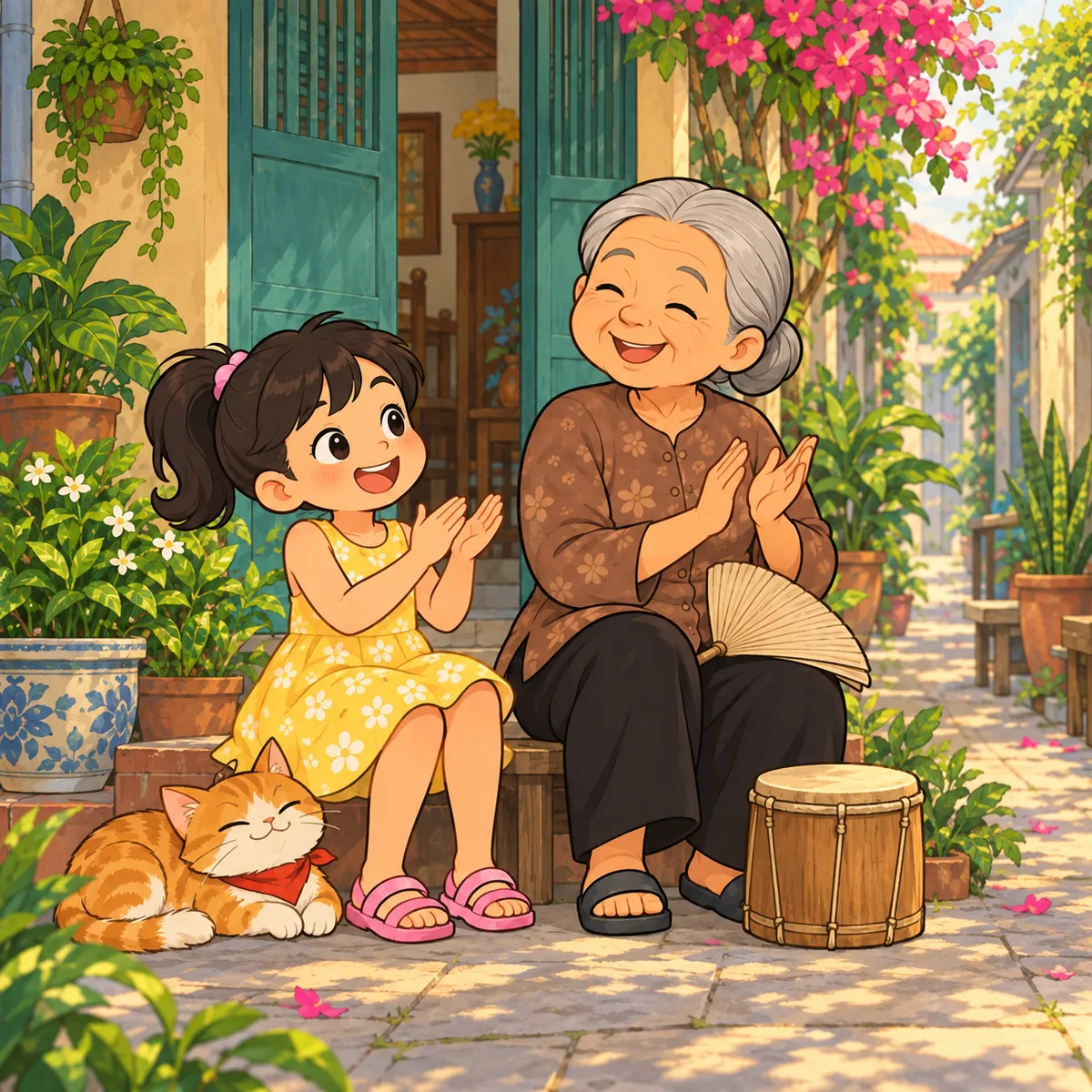
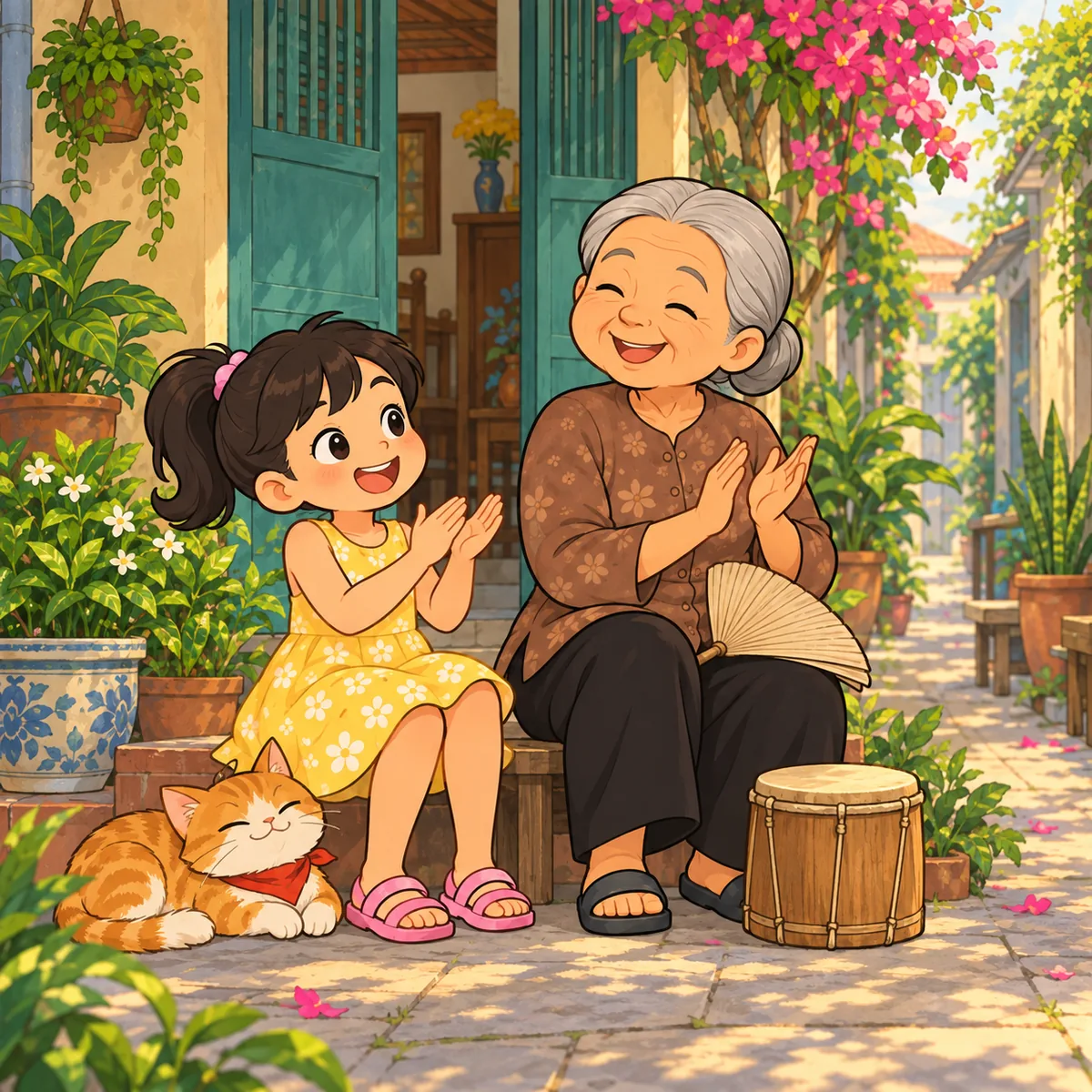
Finding Vietnamese songs for kids is easy, but finding ones that use the Southern accent your family actually speaks can be surprisingly hard. Early cumulative exposure and ongoing activities like singing are closely linked to later vocabulary. Instead of just pressing play on a tablet, a shared song can be a bonding moment for a heritage child and their grandparents.
Choose a song with clear child language
Choose a short recording that lets your child hear each word clearly. A familiar melody is useful, but the words matter more than the number of views. Play the first verse yourself: can you understand the family words, and does the singer's pronunciation match the Vietnamese your child hears at home? For a Southern-speaking family, ask a relative to check unfamiliar recordings. One song you can repeat for a week is more useful than a different playlist every day.
Listen then move
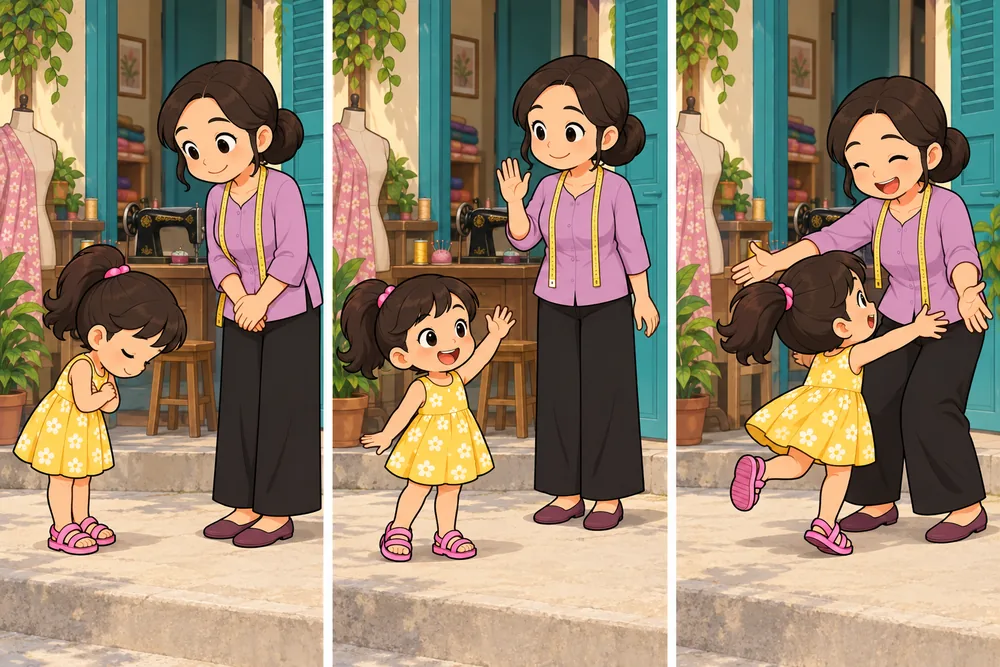
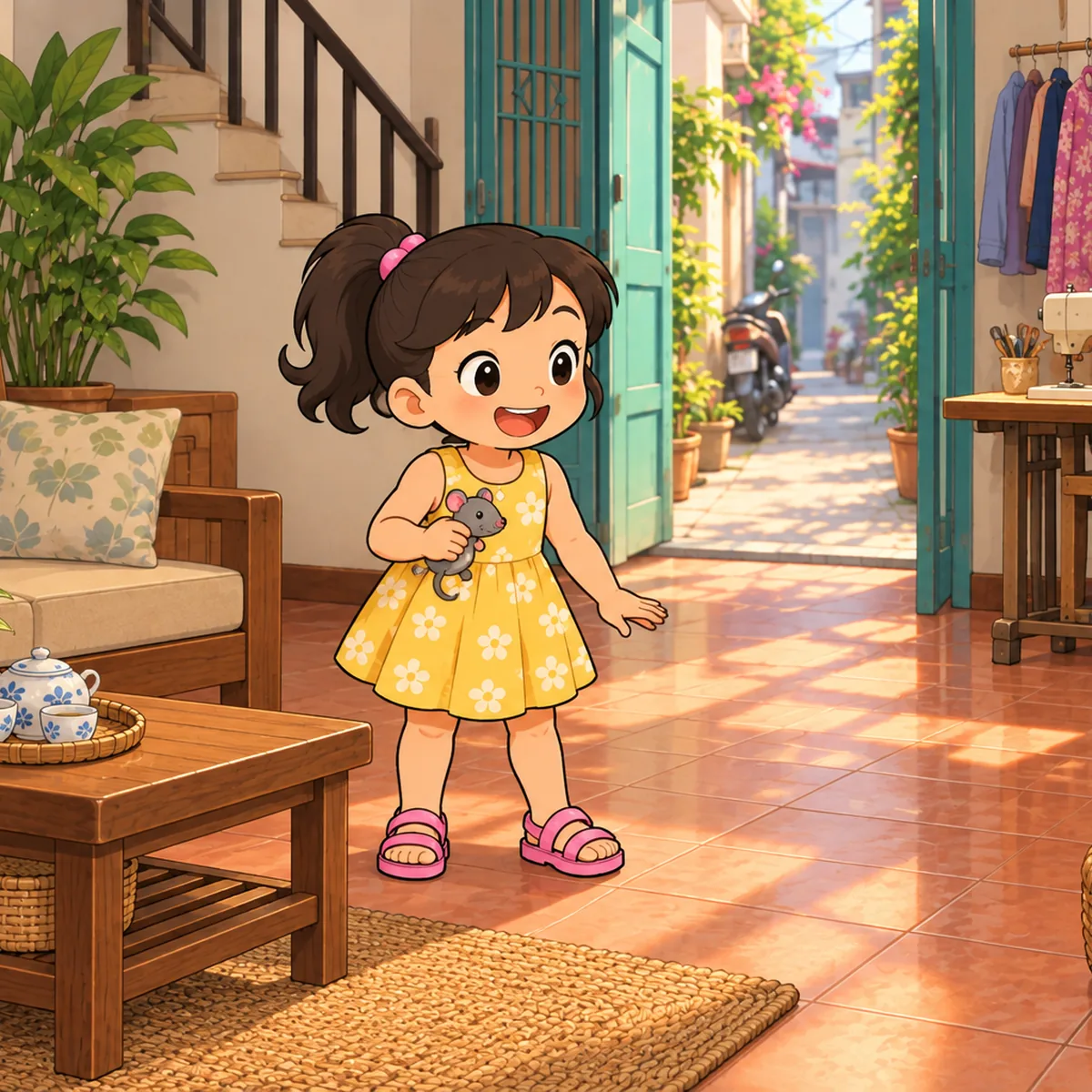
Play one verse and invite a small movement for a word the child recognizes: wave at chào, point to Má, or tap twice when they hear đi. Pause after the line and ask, ‘Did you hear ba or má?’ A child can point before they can sing. Keep the sound at a comfortable level and sit beside a preschooler; shared listening turns the recording into a conversation. Point to the story picture as you listen.
Repeat one useful line
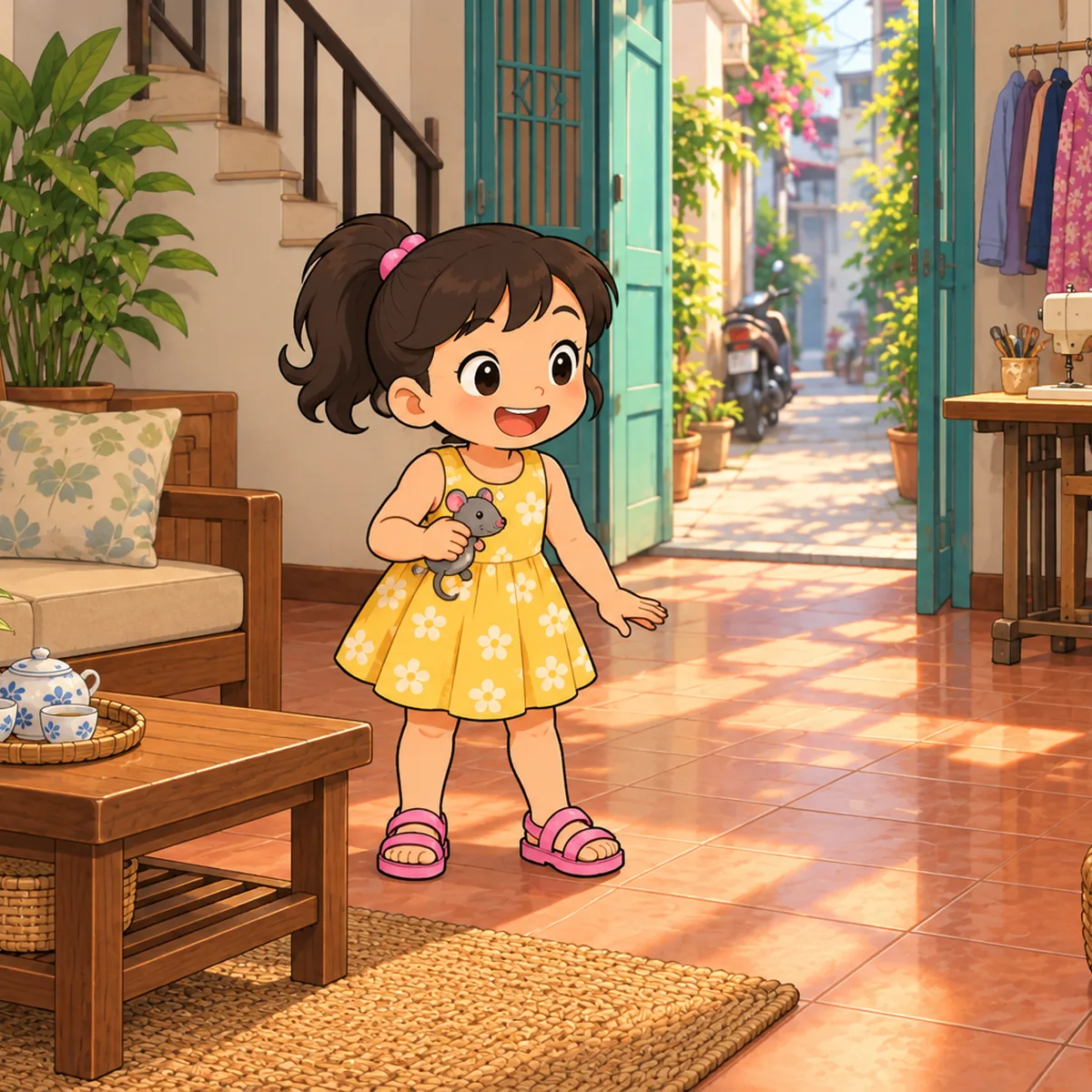
Pick one line that belongs in ordinary family life, such as a greeting or a request to play. Say it slowly in your own Southern voice, then use it away from the music: at the door, at dinner, or before a call with Bà. Invite an echo, but accept a gesture or a single word. If the child changes a tone, repeat the whole phrase naturally instead of stopping the game for a correction. That keeps meaning and connection in front.
Sing with a grandparent
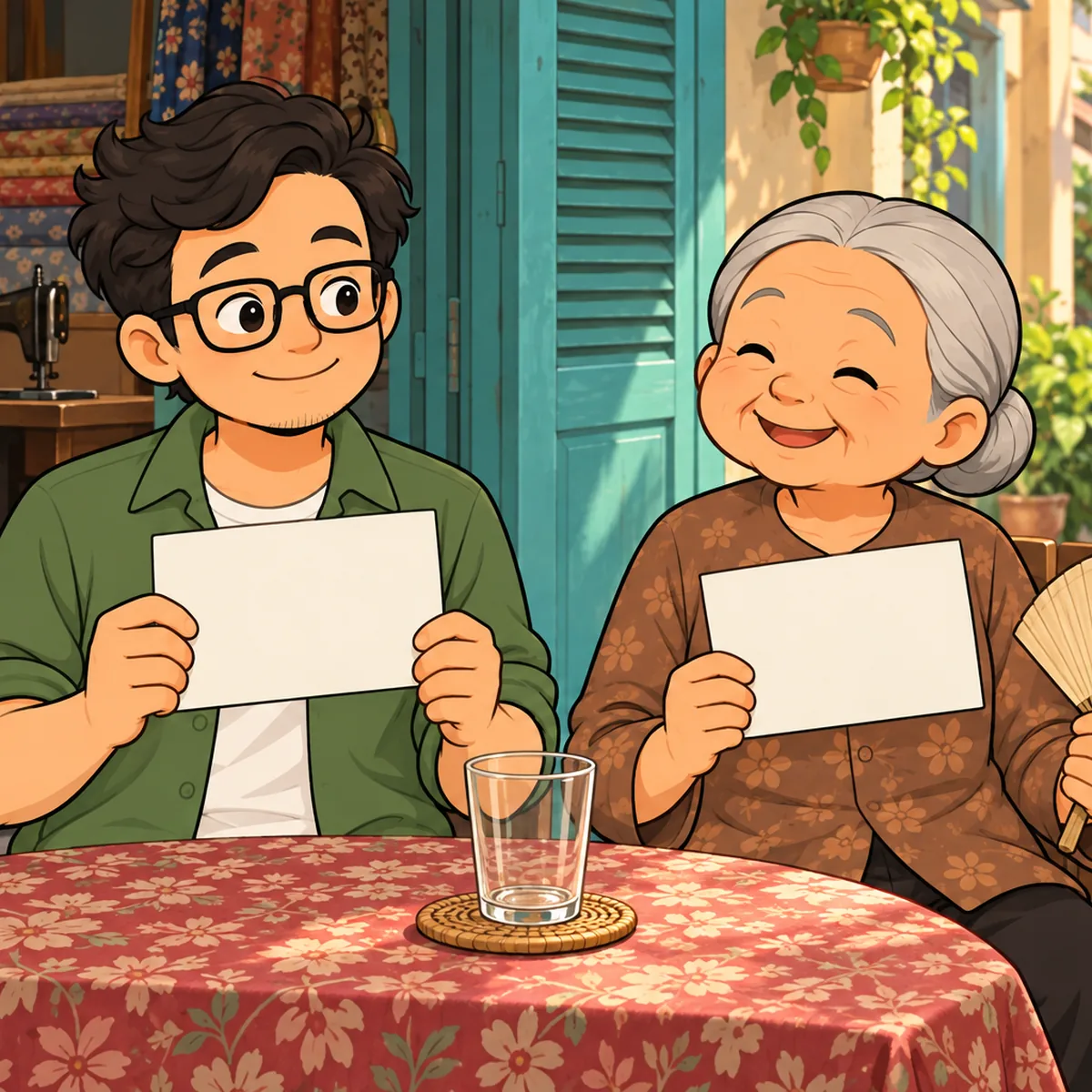
A grandparent can record or sing a few seconds of a familiar family song, if they want to. Before the call, tell your child which line to join. During the call, let Ông or Bà sing once, then pause for the child to complete a word or wave at the right moment. If relatives use different regional words, keep their version in the family song and explain the difference gently. The goal is recognition of a loved voice, not a perfect performance.
Check accent and rights
Use recordings you have permission to play and share. Link to the artist's official page when sending a song to relatives; do not reupload a commercial track or present it as SVFF audio. Check the pronunciation before calling any song ‘Southern’: a Vietnamese title alone does not tell you the singer's dialect. If you cannot find a suitable recording, make a simple family chant with two or three words you already use, then repeat it together without a screen.
Are you ready to support your child's journey? Explore our Tiếng Việt Của Con series today and give them the gift of the family language.
Book a free trial for my child
Frequently asked questions
How do I choose a Southern Vietnamese song for my child?
Choose a short recording that lets your child hear each word clearly. A familiar melody is useful, but the words matter more than the number of views.
Does singing replace spoken tone practice?
Pick one line that belongs in ordinary family life, such as a greeting or a request to play. Say it slowly in your own Southern voice, then use it away from the music: at the door, at dinner, or before a call with Bà.


0 Comments
Log in to leave a comment.