Tiếng Việt Của Con — Southern Vietnamese for Kids by SVFF
Reading Vietnamese stories for kids is a wonderful tradition, but it can be frustrating if your child listens quietly and then only comments in English. In a study of Vietnamese-English bilingual children, researchers found that children often have a much higher receptive vocabulary than expressive. The trick to getting a reply isn't to force them to read, but to use Southern Vietnamese stories as a springboard for small, low-pressure conversations.
Choose a story with family words
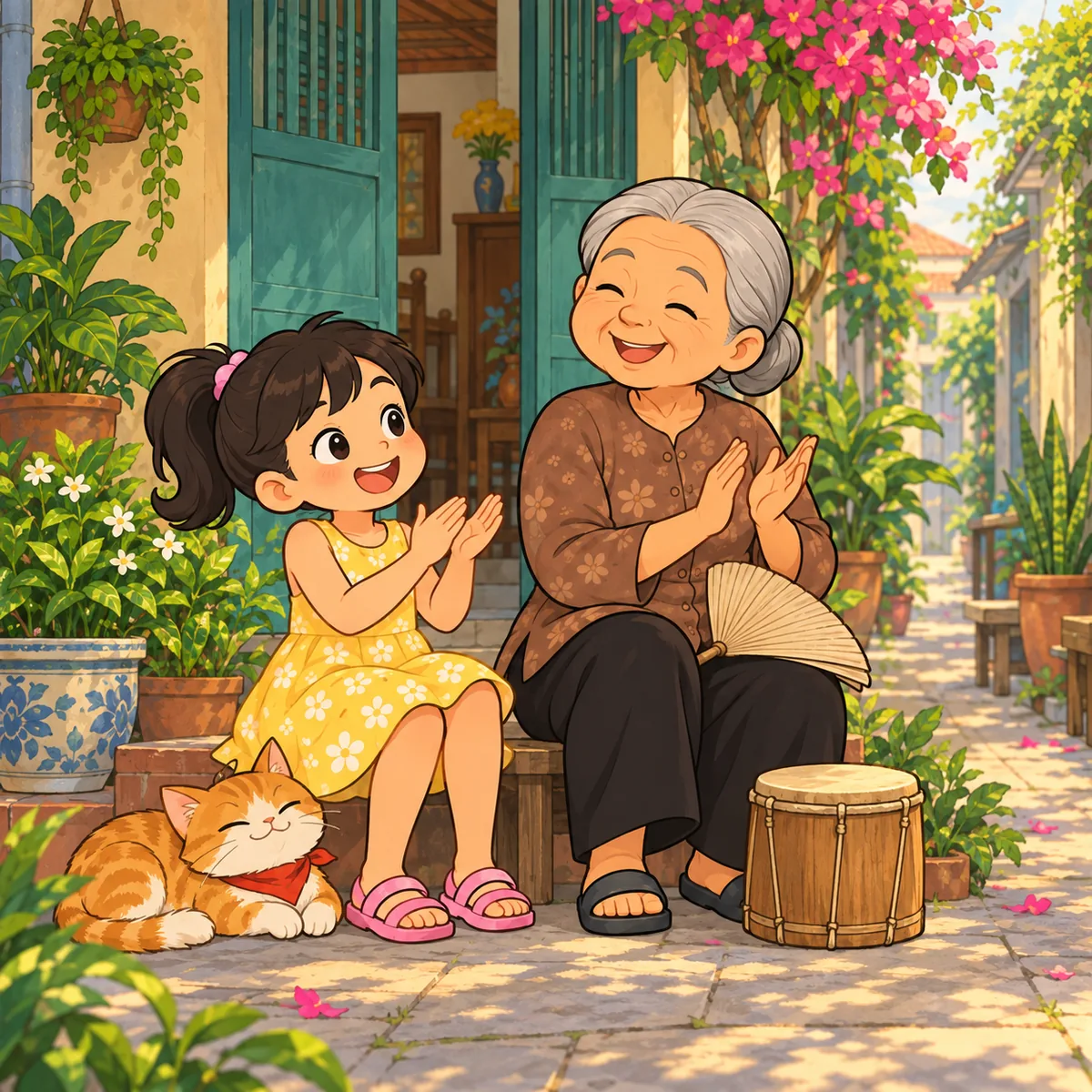
Start with a story that uses people your child actually talks about: Ba, Má, Ông, Bà, or a sibling. A short scene with one small event is enough. Before opening the book, tell the child who is in it and name one object in Southern Vietnamese. You can borrow a library book and retell it in your family's words; the printed dialogue does not have to dictate your accent. Leave space for the child to say what a character might do next.
Preview three pictures
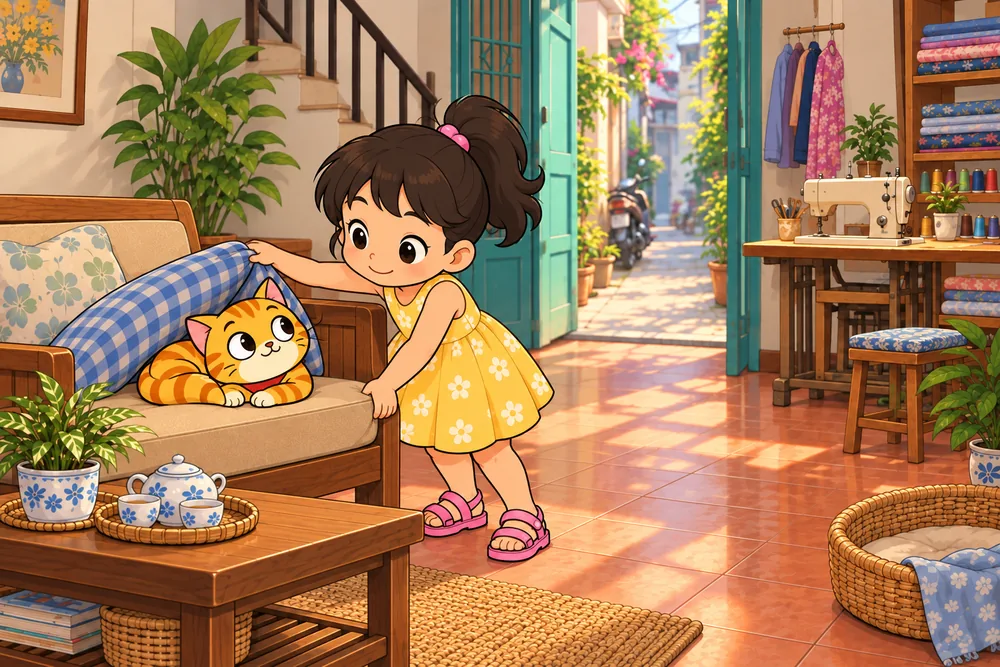
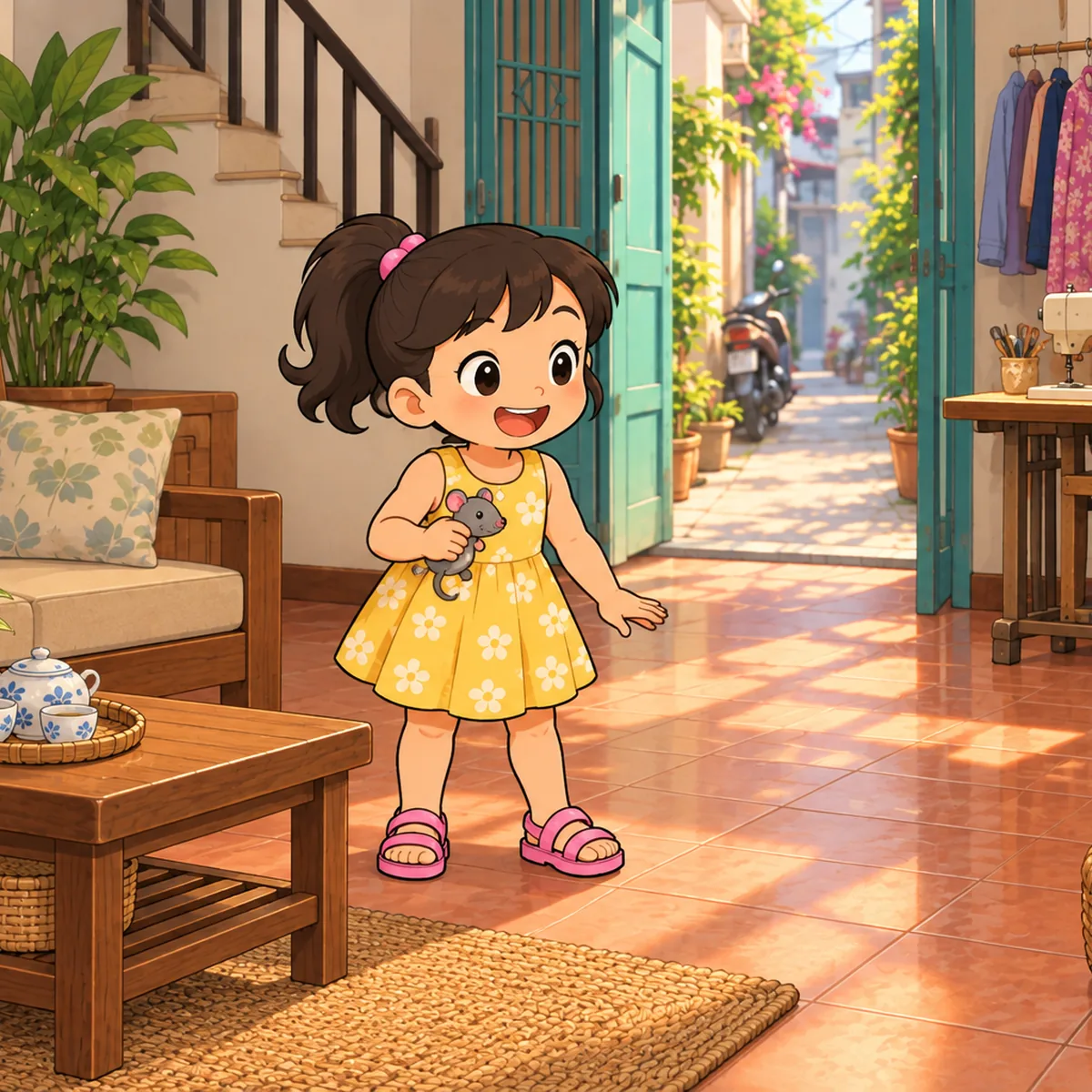
Show three pictures before reading. Ask your child to point to the family member, the place, and one action. For example: ‘Đâu là Bà?’, ‘Cam ở đâu?’, and ‘Cam làm gì?’ Give two choices if the child is new to speaking: ‘Cam ăn hay ngủ?’ A point or an English answer still tells you what they understood. Repeat the Vietnamese option and move on rather than turning picture time into a test.
Listen in Southern Vietnamese
Read one page in a voice that sounds like home. If a recording is available, check that it uses the same regional words and pronunciation your family uses; otherwise, your own voice is enough. Pause at a repeated phrase and invite the child to say its last word. Keep the story moving even when they stay quiet. Listening to a complete, enjoyable scene builds context for the reply that comes later.
Ask a choice question
After the scene, ask a real choice question connected to the plot: ‘Bo đưa bánh cho Bà hay cho Cam?’ Show both characters if needed. Let the child answer with a name, a point, or ‘Dạ’. Model a short sentence back: ‘Bo đưa bánh cho Bà.’ Questions with visible answers are easier than ‘What happened?’ and make the child's first spoken turn achievable without memorizing a whole paragraph.
Retell with one sentence
Put the book down and ask the child to tell one thing in their own words. Start with a frame: ‘Cam đang…’ or ‘Bà nói…’. A three-word sentence counts. Tomorrow, invite the child to tell that same sentence to a grandparent, then add a second detail if they want to. Return to the same story over several days; familiarity gives the child more room to notice sounds, meaning, and family expressions.
Are you ready to support your child's journey? Explore our Tiếng Việt Của Con series today and give them the gift of the family language.
Book a free trial for my child
Frequently asked questions
How do I get my child to answer after a Vietnamese story?
After the scene, ask a real choice question connected to the plot: ‘Bo đưa bánh cho Bà hay cho Cam?’ Show both characters if needed. Let the child answer with a name, a point, or ‘Dạ’.
What if my child only points at the pictures?
Show three pictures before reading. Ask your child to point to the family member, the place, and one action.



0 Comments
Log in to leave a comment.