Tiếng Việt Của Con — Southern Vietnamese for Kids by SVFF
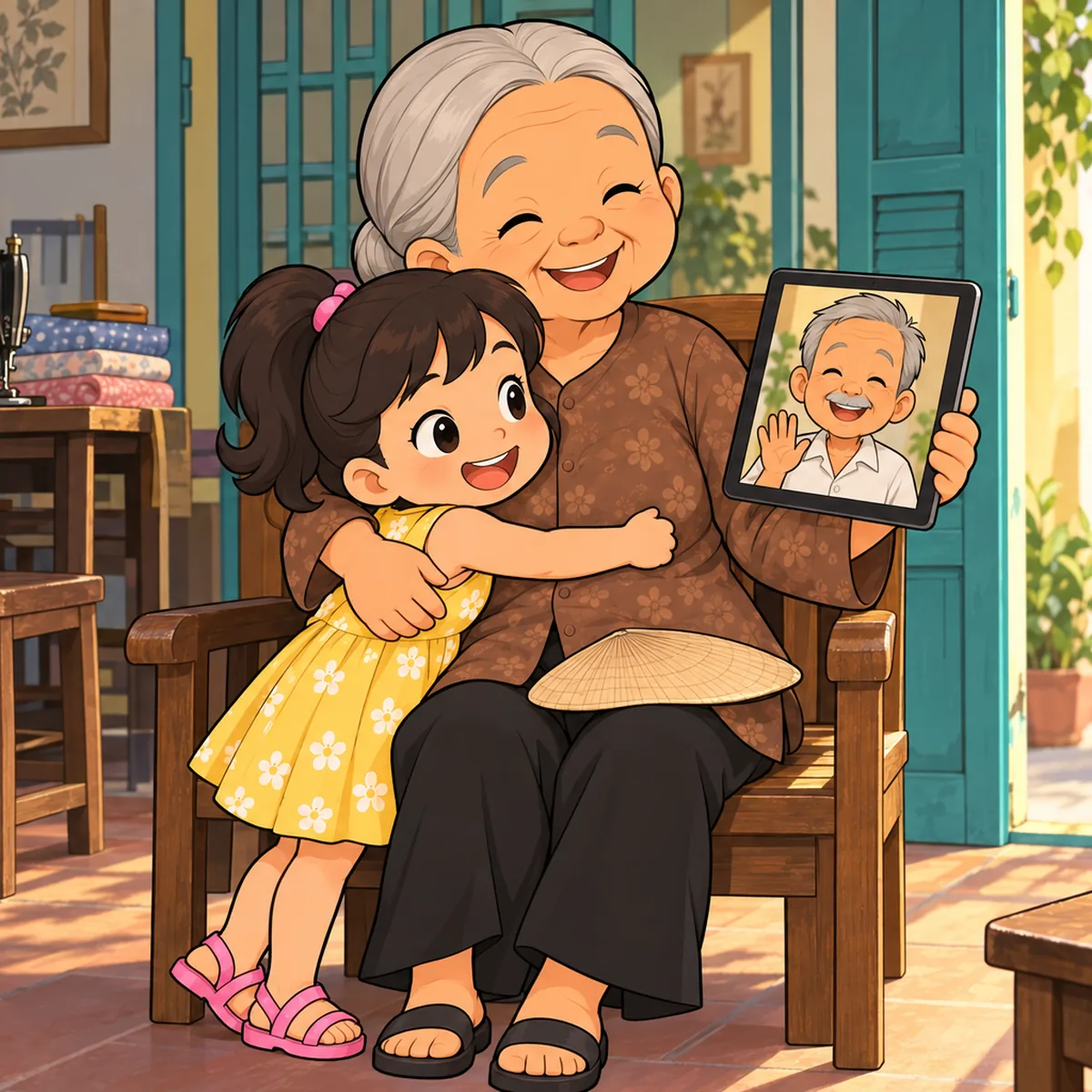
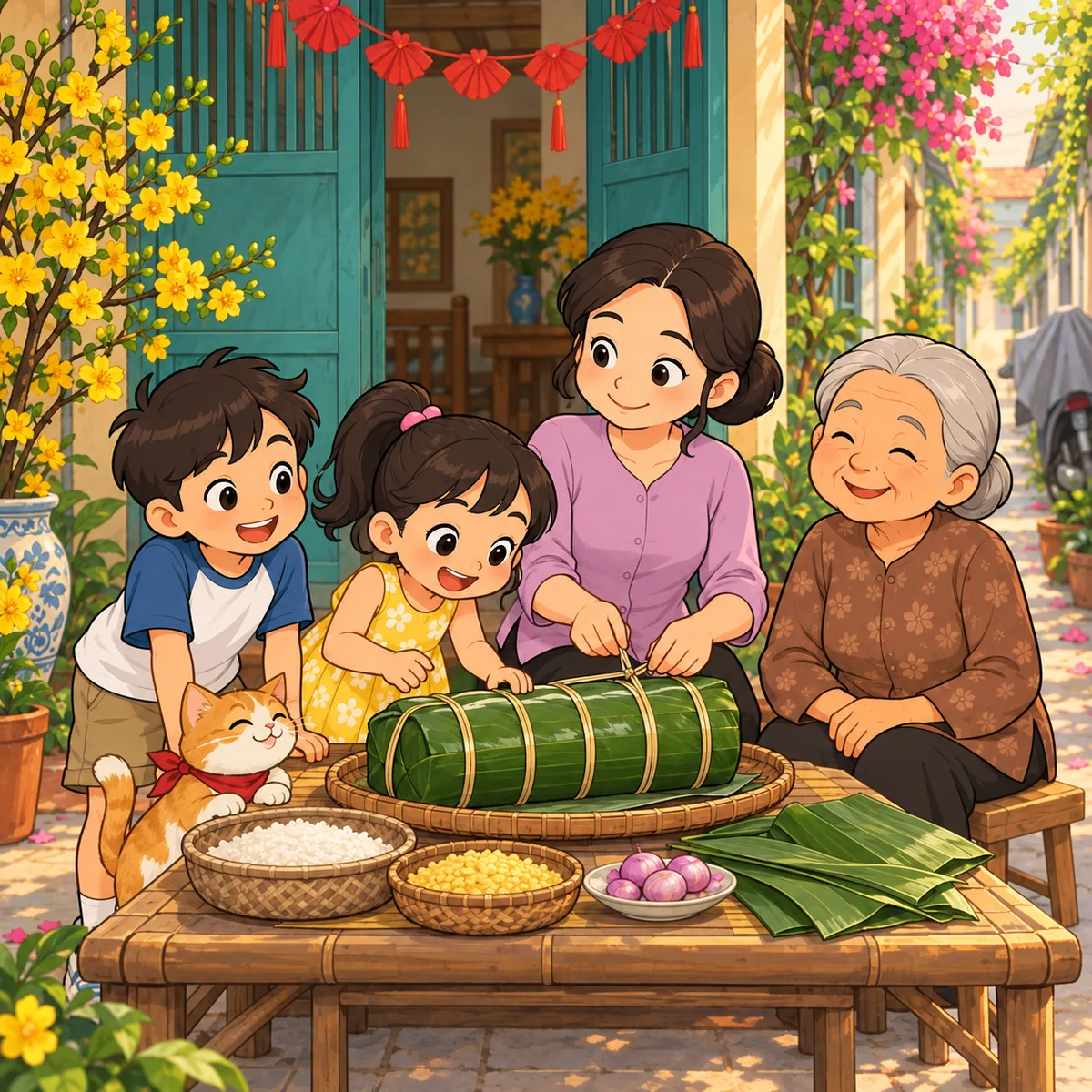
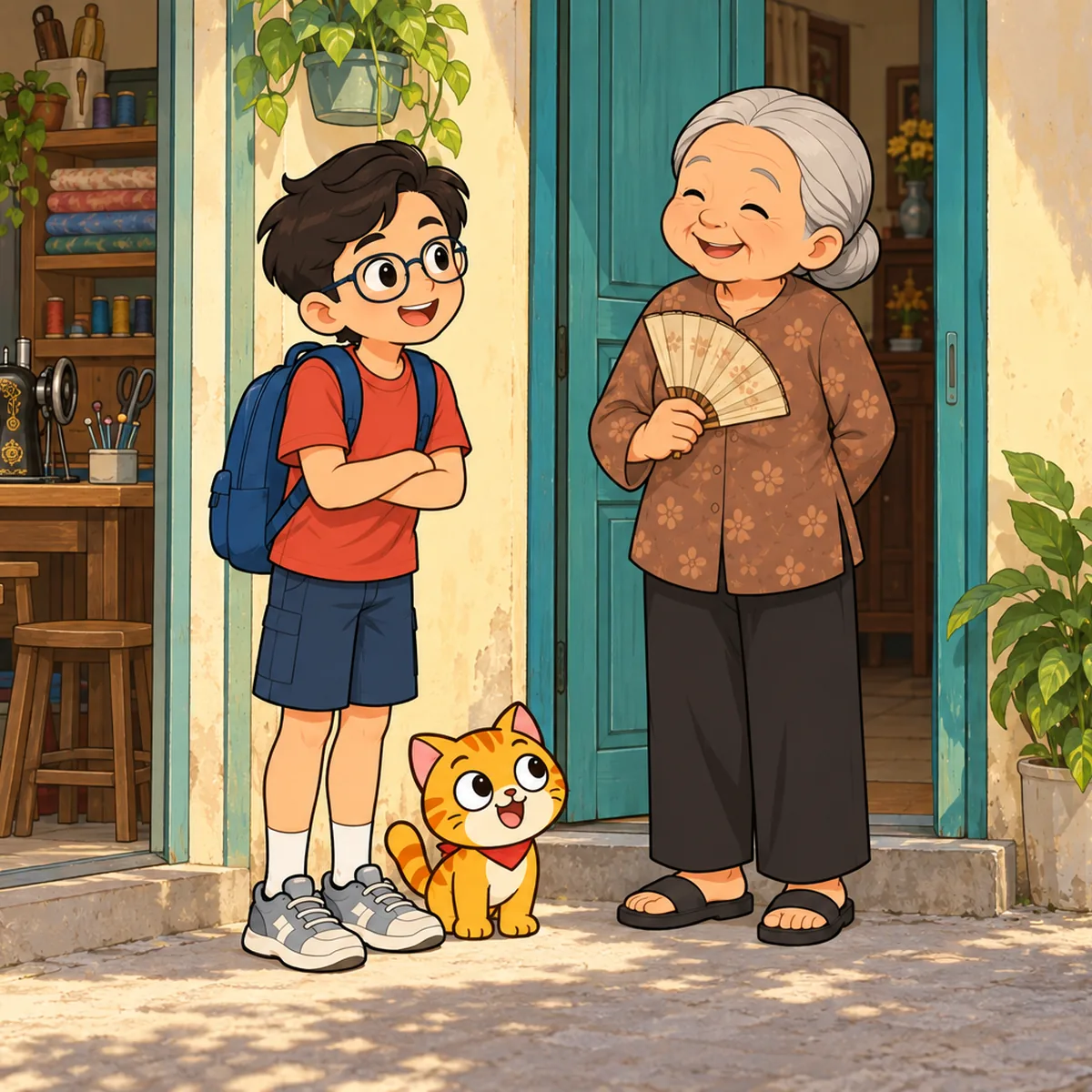
The primary reason most heritage parents look for a language program isn't academic—it is deeply personal. They want their children to know their Ông Bà. According to a 2023 study of Australian-Vietnamese families, adults primarily use Vietnamese to communicate with parents and grandparents. To pass this on, teaching children the specific Southern dialect their grandparents use is the most effective way to build a loving relationship.
The emotional drive to learn
Wanting a child to speak with grandparents is a strong reason to start, but the child should not carry the weight of repairing every language gap. Tell them a positive story instead: ‘Bà loves hearing about your day.’ Invite one small answer and let grandparents enjoy it. If a relative is disappointed by an English reply, help them see the Vietnamese understanding already there. The relationship grows through patient exchanges, not through a test of how much the child knows.
Setting realistic goals for conversations
Choose a first conversational goal that can happen this week: greet Ông or Bà, answer ‘Con khỏe hông?’, and tell one thing about school or play. Write those phrases in the version the grandparent actually uses. A two-minute exchange is a real conversation when both people respond. Once it feels easy, add a choice question or a new object to show. Long speeches can wait until the child has many comfortable short turns.
Involving grandparents in the process
Ask grandparents what they enjoy hearing about, then prepare one topic with the child. A grandparent might love a drawing, a pet, or a snack the child made. Before a call, teach the key word and give the adult a simple question to ask. During the call, give the child time to reply and resist speaking for them immediately. Afterward, tell the grandparent which phrase worked and ask for another voice note to practice before next week.
Using technology to bridge the gap
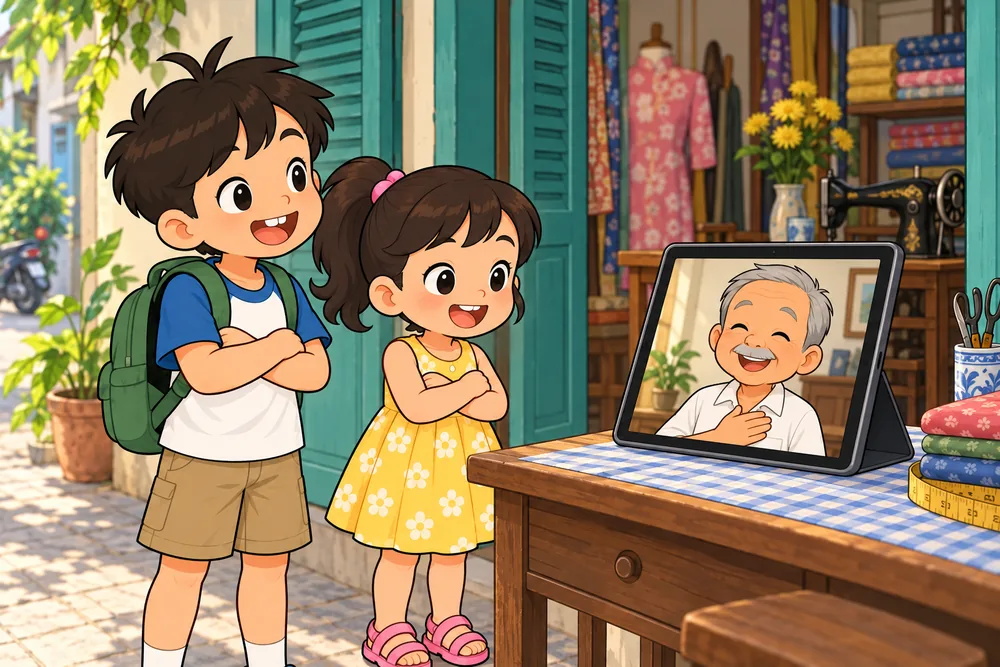
Distance need not reduce the exchange to a scheduled video call. A short voice note lets the child listen again and answer when ready; a photo gives something concrete to describe. Keep messages within family channels and ask before sharing a child's image or recording. If the child is camera-shy, voice only may work better. Technology carries the conversation, while the people make it meaningful. One repeated greeting from a familiar voice can be more useful than an hour of unrelated clips.
Celebrating small wins
Notice small changes: the child answers ‘Dạ’ without a prompt, names a relative correctly, or asks Bà one question. Tell grandparents about these moments without turning them into scores. When a week is quiet, return to a familiar phrase rather than adding harder material. Celebrate the conversation both generations actually enjoyed. A child who feels safe with Ông Bà has a reason to keep using Vietnamese long after a particular lesson ends.
Are you ready to support your child's journey? Explore our Tiếng Việt Của Con series today and give them the gift of the family language.
Book a free trial for my child
Frequently asked questions
How much Vietnamese does a child need for a first call with grandparents?
Choose a first conversational goal that can happen this week: greet Ông or Bà, answer ‘Con khỏe hông?’, and tell one thing about school or play. Write those phrases in the version the grandparent actually uses.
Can voice notes help a shy child?
Distance need not reduce the exchange to a scheduled video call. A short voice note lets the child listen again and answer when ready; a photo gives something concrete to describe.




0 Comments
Log in to leave a comment.