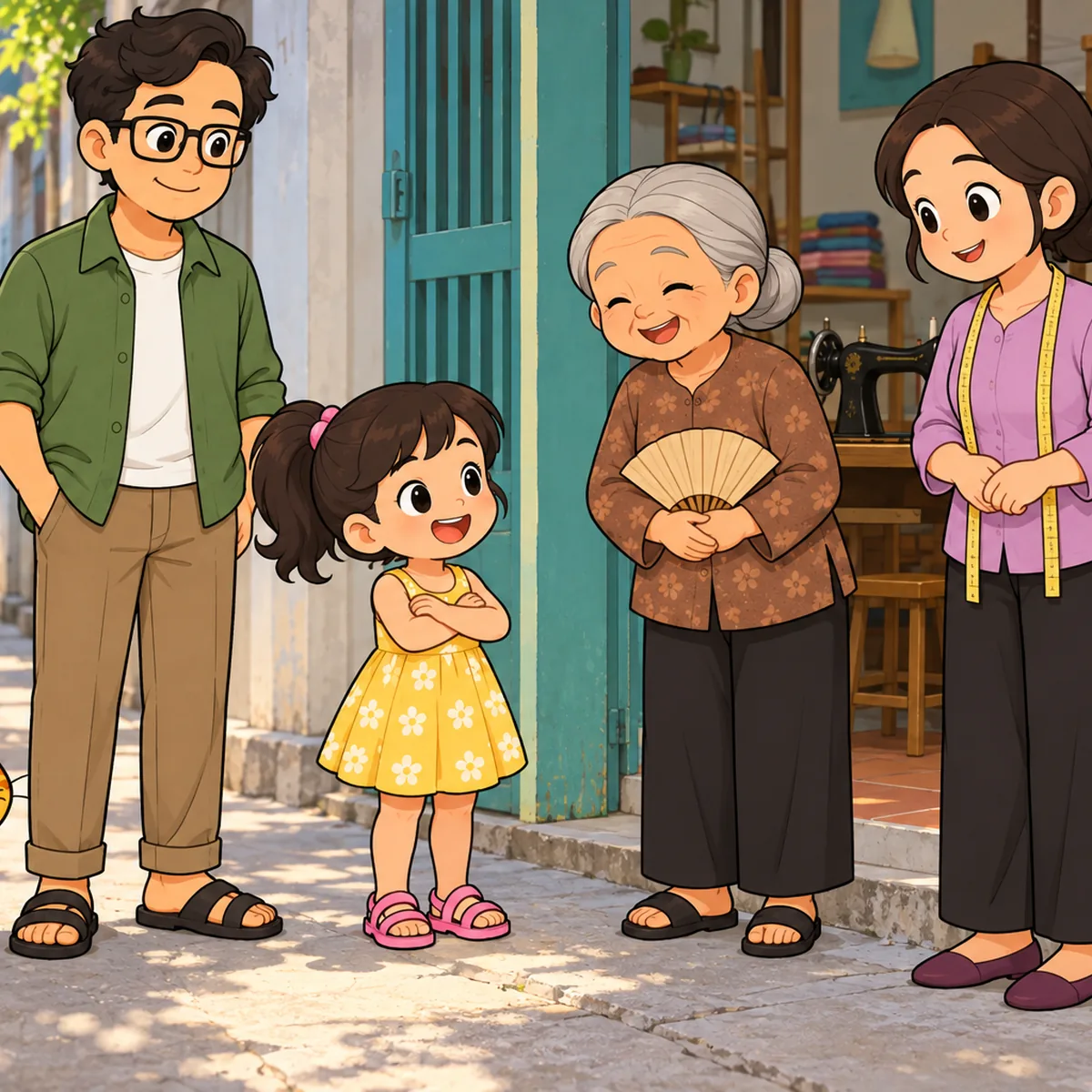
Tiếng Việt Của Con — Southern Vietnamese for Kids by SVFF
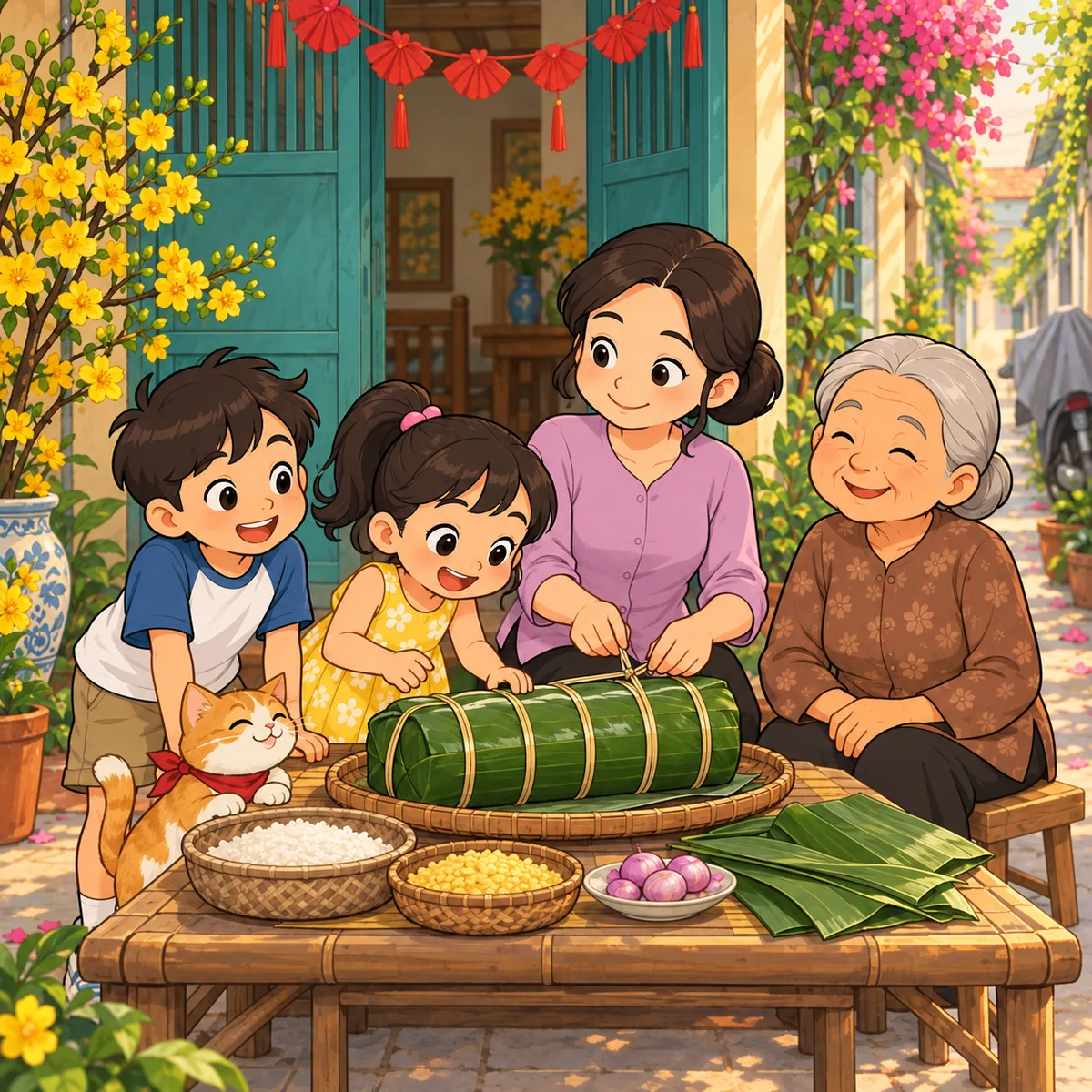
Before a child can build complex sentences, they need the building blocks of daily life. In a Southern Vietnamese home, those blocks are the family words. Studies indicate that children's receptive skills often outpace their spoken words, so hearing and practicing these core terms early is vital. Words like Ba, Má, and the polite Dạ are more than just vocabulary; they are the foundation of respect and connection.
The power of 'Dạ'
Dạ is a small word with a big social job: it can show that a child has heard an older person and is answering politely. Practice it as a warm response, not an order. Call the child's name from nearby: ‘Bo ơi!’ Then model ‘Dạ!’ and smile when they answer. If the family uses another polite reply, ask a relative how it sounds at home. The child learns the meaning of the exchange by using it with a real person.
Identifying Ba and Má
Use the words your child says when seeking parents. In many Southern homes, Ba and Má are everyday choices; other families say Bố and Mẹ or a nickname. Point to a photo and ask, ‘Ba đâu?’ Then invite the child to call ‘Ba ơi!’ before Ba answers. Do the same for Má. The call-and-response matters more than copying a printed vocabulary table, because it gives each word a person and a reply.
Greeting Ông and Bà
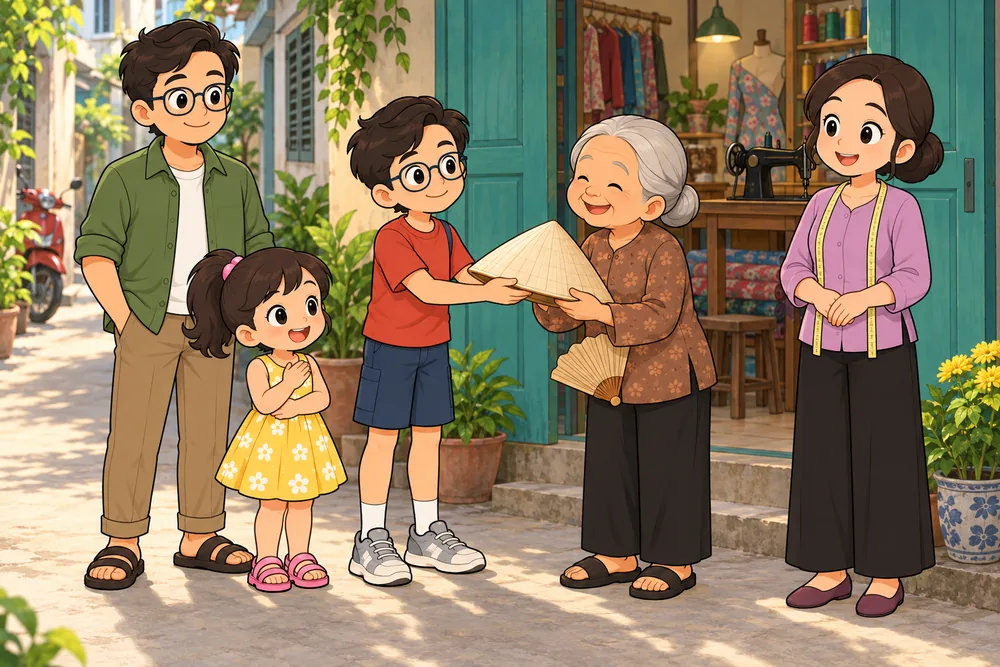
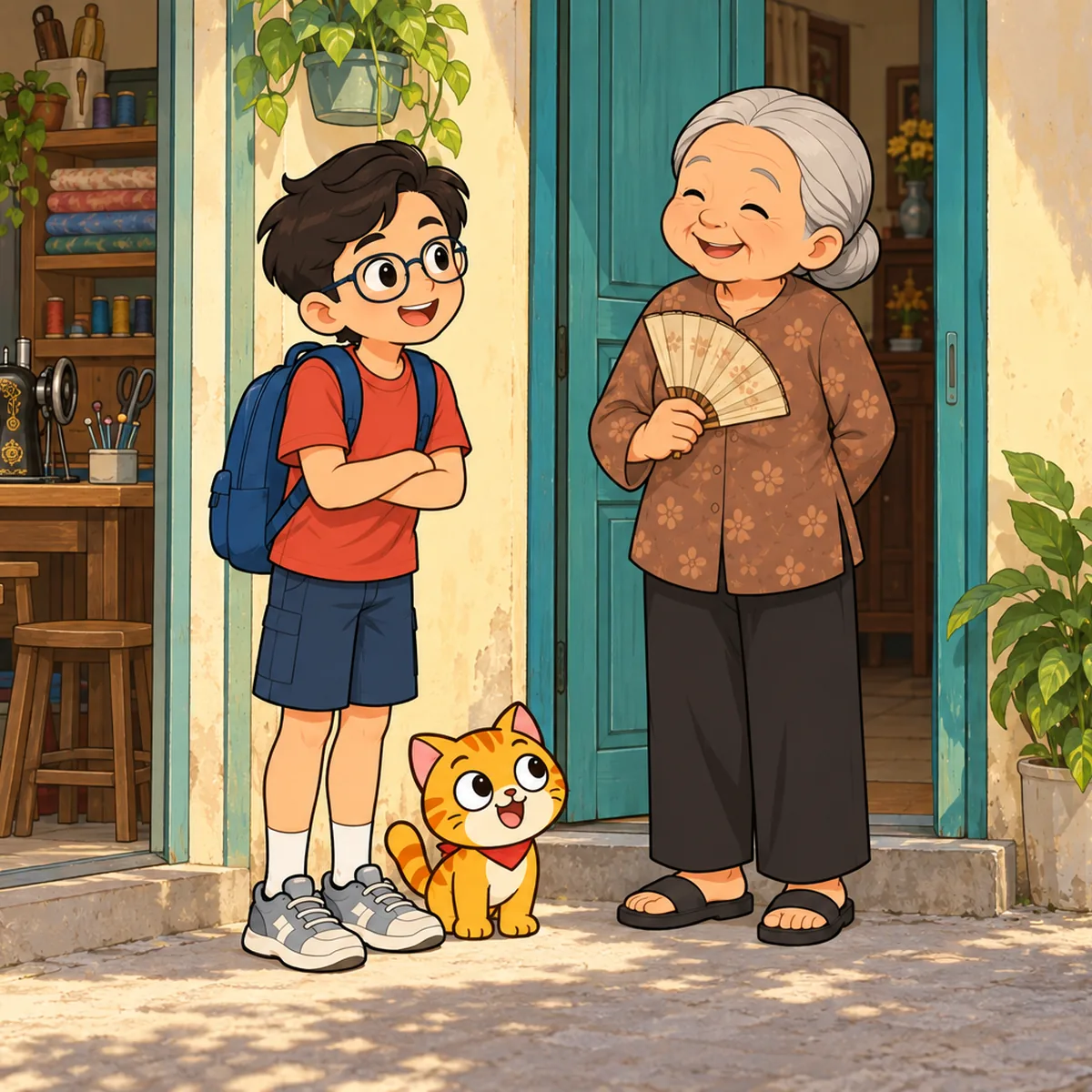
Vietnamese kinship words carry relationship information. Ông nội and Bà nội are paternal grandparents; Ông ngoại and Bà ngoại are maternal grandparents. A child does not need to master every branch at once. Put one relative's photo on the table, say their preferred name, and practice ‘Con chào bà ngoại.’ On the next call, let that grandparent reply. Ask relatives about preferred address terms before teaching a sheet as if it fits every household.
Expressing love in Southern Vietnamese
A phrase of affection can be simple: ‘Con thương má’ or ‘Con thương bà.’ Say it only when it feels natural; a child should not have to perform affection on command. You can also use care words like ‘Con mời bà ăn’ when handing over food. Invite the child to choose one phrase they genuinely want to say. Meaningful words carry further than a longer list memorized to please adults.
Making family words stick
Keep two or three family words visible where they are used. Put a photo by the door for greetings, one by the call device for a weekly chat, and a card by the table for mealtime. Repeat the same small exchanges for several days, then change one word. The free family-words sheet can help with pictures and audio, but write in the nicknames your family uses. A living word list grows with your child's relationships.
Are you ready to support your child's journey? Explore our Tiếng Việt Của Con series today and give them the gift of the family language.
Book a free trial for my child
Frequently asked questions
What does Dạ do in a family conversation?
Dạ is a small word with a big social job: it can show that a child has heard an older person and is answering politely. Practice it as a warm response, not an order.
How should I teach Ông nội and Ông ngoại?
Vietnamese kinship words carry relationship information. Ông nội and Bà nội are paternal grandparents; Ông ngoại and Bà ngoại are maternal grandparents.




0 Comments
Log in to leave a comment.