
Your teacher helped you hear a sound, order lunch, or finally answer someone in Vietnamese. November 20 is a lovely moment to say so. Try “Em cảm ơn cô đã sửa phát âm cho em” — thank you for correcting my pronunciation — and build your message around something that really happened in your lessons.
What should your Teachers’ Day message say?
A useful message names one real thing your teacher helped you do, adds thanks, and closes with a short wish. Vietnamese Teachers’ Day is November 20; your note can be brief enough to say aloud at your next lesson.
Perhaps you ordered your own lunch, understood a question from your partner’s family, or finally heard a word you used to miss. Pick the example that belongs to you. If none of those things has happened, thank the teacher for an actual classroom moment instead. Accuracy makes the message personal.
SVFF already has a video introducing wishes for Vietnamese teachers. Here, you’ll build a note from your own learning experience, choose the relationship words, and practice saying it. You can finish with two or three sentences rather than a collection of elaborate wishes.
How does this connect to Teachers’ Day in Saigon?
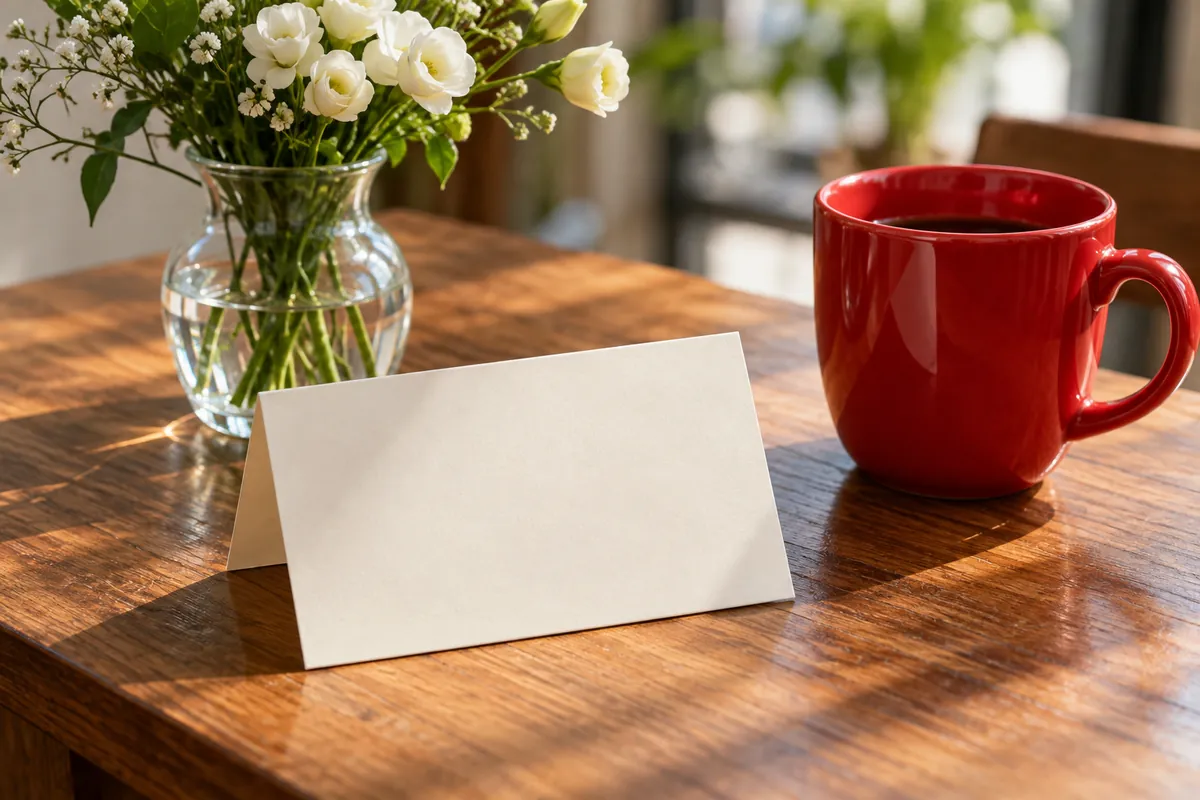
Start with a personal thank-you. In HCMC, students have used handmade cards to express appreciation; you can make your own small version for a language teacher.
HUTECH reported a handmade card design competition held on November 20, 2024, in its Architecture and Arts faculty. The activity used students’ own designs to convey thanks to teachers. For your language lesson, a simple message can carry that same thoughtfulness.
For your version, use a card, a private message, or a few spoken words according to your relationship. Choose the channel you already use to communicate with the teacher. If you have not spoken in some time, add your name and enough context for the teacher to recognize you. Do not assume a teacher will remember a phone number without an introduction.
How should you address your teacher?
Keep the address terms you already use in lessons. Vietnamese pronouns and titles reflect the relationship, so a template needs checking before you send it.
The examples below fit a learner who already refers to themself as “em” and addresses the teacher as “cô” or “thầy.” Keep the words you normally use together. An older learner, a former student, or someone addressing a close family friend may need a different version.
Use SVFF’s guide to names and forms of address if you need help with the surrounding conventions. Before finalizing a note, check that the title and name refer to the right person. A short, correctly addressed message is a good starting point.
What can you say after the greeting?
Add one concrete sentence about your learning. Keep it narrow enough that you could explain it if the teacher asked a follow-up question.
The phrase table includes a line thanking a female teacher for correcting pronunciation and a line telling a male teacher that you speak Vietnamese more confidently. Use either only when it is true. If your progress concerns listening, writing, or talking to family instead, draft that thought in English and ask for help expressing it at your level.
For a familiar female teacher, here is a short note using the table’s lines. Use it only if the pronunciation example is true:
Em chúc cô ngày 20 tháng 11 thật vui! Em cảm ơn cô đã sửa phát âm cho em. Chúc cô luôn vui khỏe nha cô!
It says: “I wish you a very happy November 20! Thank you for correcting my pronunciation. Wishing you continued happiness and good health!”

How can you make it sound Southern naturally?
Use a comfortable spoken rhythm and wording appropriate to your relationship. Southern pronunciation does not require changing a respectful note into casual slang.
The line with “nha cô” in the phrase table suits a familiar teacher who already uses a warm, conversational style with you. The line beginning “Em kính chúc” offers a more formal closing. Choose one ending rather than combining both. SVFF’s guide to nha, nghen, and hen explains those conversational particles in more detail.
Keep full diacritics in a written note. Vietnamese uses tone marks, and pronunciation differs across regions; an improvised English spelling is a poor substitute for the actual Vietnamese sentence. For delivery, ask a Southern speaker to model the line you have chosen.
How can you rehearse a short spoken message?
Practice one sentence at a time, then join the sentences with a small pause. Start by understanding the words; finish by saying them to someone who can reply.
First, read the English meaning and confirm that it matches what you want to say. Next, read the Vietnamese while looking at the complete words, including their marks. Then cover the text and try only the opening. Add the sentence of thanks once the opening feels comfortable. Keep the card nearby when you deliver it; you can read from it.
If you practice with another person, ask them to reply naturally after the first sentence. Pause and listen. You do not have to race through the rest of your note over their response. The phrase table includes a polite request to say the message again when you want another practice attempt.
What should you check before sending it?
Check the recipient, the form of address, the truth of the example, and the spelling. Remove anything that belongs to someone else’s learning story.
For a class card, ask each participant for their own contribution. Keep private classroom details out of any public version.
For another look at how appreciation works in conversation, read SVFF’s thanking and responding lesson. You might practice receiving the teacher’s reply as well as giving your message. A warm exchange has room for both people.
Which phrases can you practice?
Use the forms of address that fit your relationship.
| Vietnamese | Meaning / when to use |
|---|---|
| Em chúc cô ngày 20 tháng 11 thật vui! | I wish you a very happy November 20! Open a note to a female teacher when you already use em. |
| Em cảm ơn cô đã sửa phát âm cho em. | Thank you for correcting my pronunciation. Name a specific kind of help, if it is true for your lessons. |
| Nhờ thầy mà em tự tin nói tiếng Việt hơn. | Thanks to you, I feel more confident speaking Vietnamese. Tell a male teacher about real progress. |
| Chúc cô luôn vui khỏe nha cô! | Wishing you continued happiness and good health! Close a warm note to a familiar female teacher. |
| Em kính chúc thầy nhiều sức khỏe. | I respectfully wish you good health. Use a more formal closing to a male teacher. |
| Dạ, cho em nói lại lần nữa nha cô. | May I say it again? Ask a familiar female teacher for another practice attempt. |
Frequently asked questions
What should I write in a Vietnamese Teachers’ Day message?
Write a short greeting, one true sentence about what the teacher helped you do, and a closing wish. Adapt the address terms to your relationship.
Can an adult learner use em with every teacher?
Do not assume so. Keep the first-person term already used in your lessons and ask for an adapted sentence if needed.
Should I add nha to a formal card?
Use the more formal closing offered here for a formal card. Save nha for a familiar teacher when that warmth fits your established way of speaking.
Do I need to memorize the whole message?
No. Rehearse one sentence at a time and keep the written note available when you deliver it.
Ready to practice?
To practice the note with a 1-on-1 Vietnamese teacher, Book a free trial lesson.
Sources
- November 20 is the annual Vietnamese Teachers’ Day → Government decision on Teachers’ Day.
- HUTECH’s November 20, 2024 handmade card activity in HCMC → HUTECH’s handmade card activity.
- Relationship-based titles and pronouns; sample em/cô/thầy relationship is conditional → Vietnamese pronouns reference.
- Vietnamese tones, written diacritics, and regional pronunciation variation → Vietnamese language reference.







0 Comments
Log in to leave a comment.