
Tiếng Việt Của Con — Southern Vietnamese for Kids by SVFF
It is a common question in mixed-language homes: how do you support a language you don't actually speak? If you want to teach your child Vietnamese when you don't speak it, the secret is shared participation. Research shows that early and consistent exposure is critical for vocabulary building. By learning a few Southern Vietnamese phrases together, like Dạ or Cảm ơn ba, a non-Vietnamese parent shows the child that the heritage language is valued by the whole family.
Pick three shared family phrases
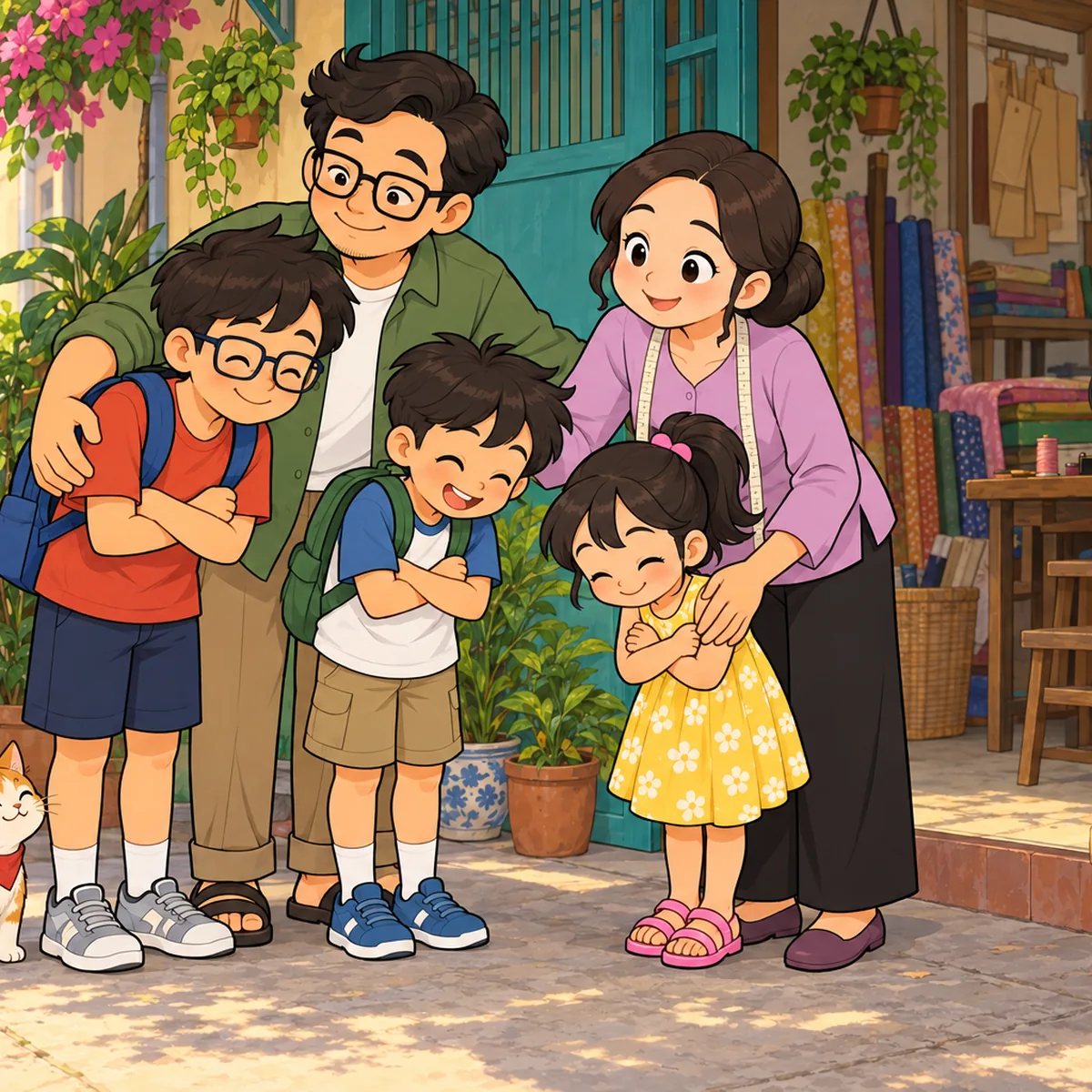
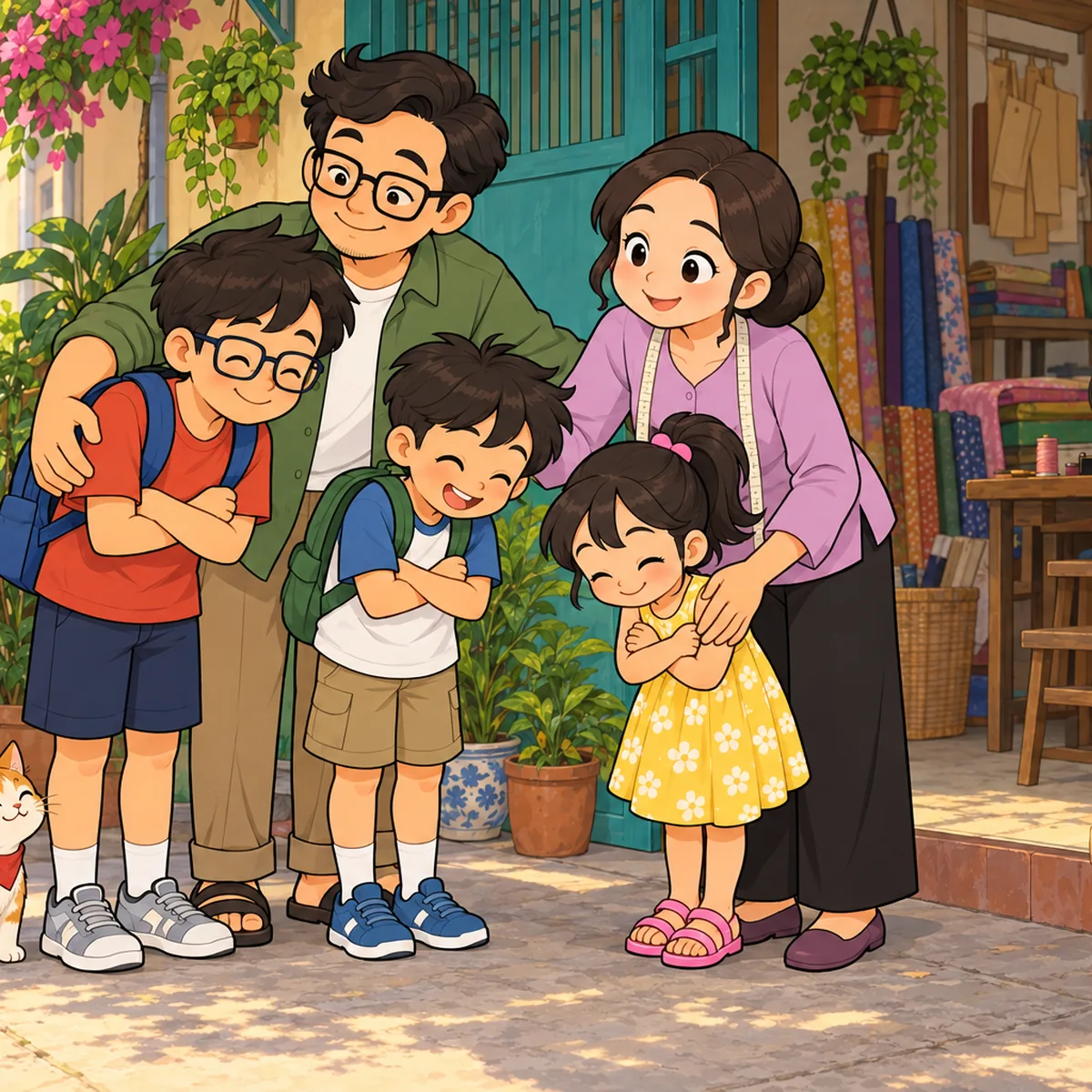
You do not need to become fluent before you can help. Choose three phrases you can use at predictable moments: ‘Chào Bà’, ‘Con ăn cơm nha?’, and ‘Dạ, con cảm ơn.’ Ask your Vietnamese-speaking partner or relative to record how your family says them. Put one phrase by the door and another by the dinner table. Say the phrase with your child, then let the fluent adult respond naturally. Your role is to make space for the language, not to become the only pronunciation model.
Let the Vietnamese-speaking relative model

Invite the Vietnamese-speaking relative to say a phrase once in a comfortable voice, then ask what it means in this family. Is it Má or Mẹ? Does Bà want the child to call her Bà ngoại? Write the answer down. A quick voice note can help both you and the child remember. When you repeat the phrase, welcome a gentle correction and keep going; hearing an adult learn openly can make a child's own attempts feel safer.
Use audio without imitating a different accent
Recordings and storybooks help when the fluent relative is away, but check their dialect before making them your main model. A Northern word is not ‘wrong’; it may simply sound different from the Southern speech at your dinner table. Listen together, point to a picture, and pause for one real reply. If a recording says a different word, tell the child both versions and return to the word your relatives use. Avoid pretending you can judge every tone when you cannot.
Make video calls interactive
Before calling grandparents, help the child choose one object to show and one question to ask. Hold the object up together: ‘Bà ơi, con có con mèo!’ If the child freezes, you can prompt in English, then invite Bà to answer in Vietnamese. A grandparent may naturally repeat the useful word several times. After the call, repeat the phrase once while putting the object away. That links the sound to a real conversation instead of an isolated drill.
Keep the routine light
Keep the routine light: a greeting at the door, one question at dinner, and a short call each week can be enough to begin. Let the child opt for a point or a one-word reply on tired days. Celebrate participation without asking for a public performance. If you are unsure about a phrase, ask the fluent adult rather than teaching a guess. The most powerful contribution of a non-Vietnamese-speaking parent is consistent, warm permission to use Vietnamese at home.
Are you ready to support your child's journey? Explore our Tiếng Việt Của Con series today and give them the gift of the family language.
Book a free trial for my child
Frequently asked questions
Can I help if I do not speak Vietnamese?
You do not need to become fluent before you can help. Choose three phrases you can use at predictable moments: ‘Chào Bà’, ‘Con ăn cơm nha?’, and ‘Dạ, con cảm ơn.’ Ask your Vietnamese-speaking partner or relative to record how your family says them.
Whose pronunciation should my child follow?
Invite the Vietnamese-speaking relative to say a phrase once in a comfortable voice, then ask what it means in this family. Is it Má or Mẹ?






0 Comments
Log in to leave a comment.