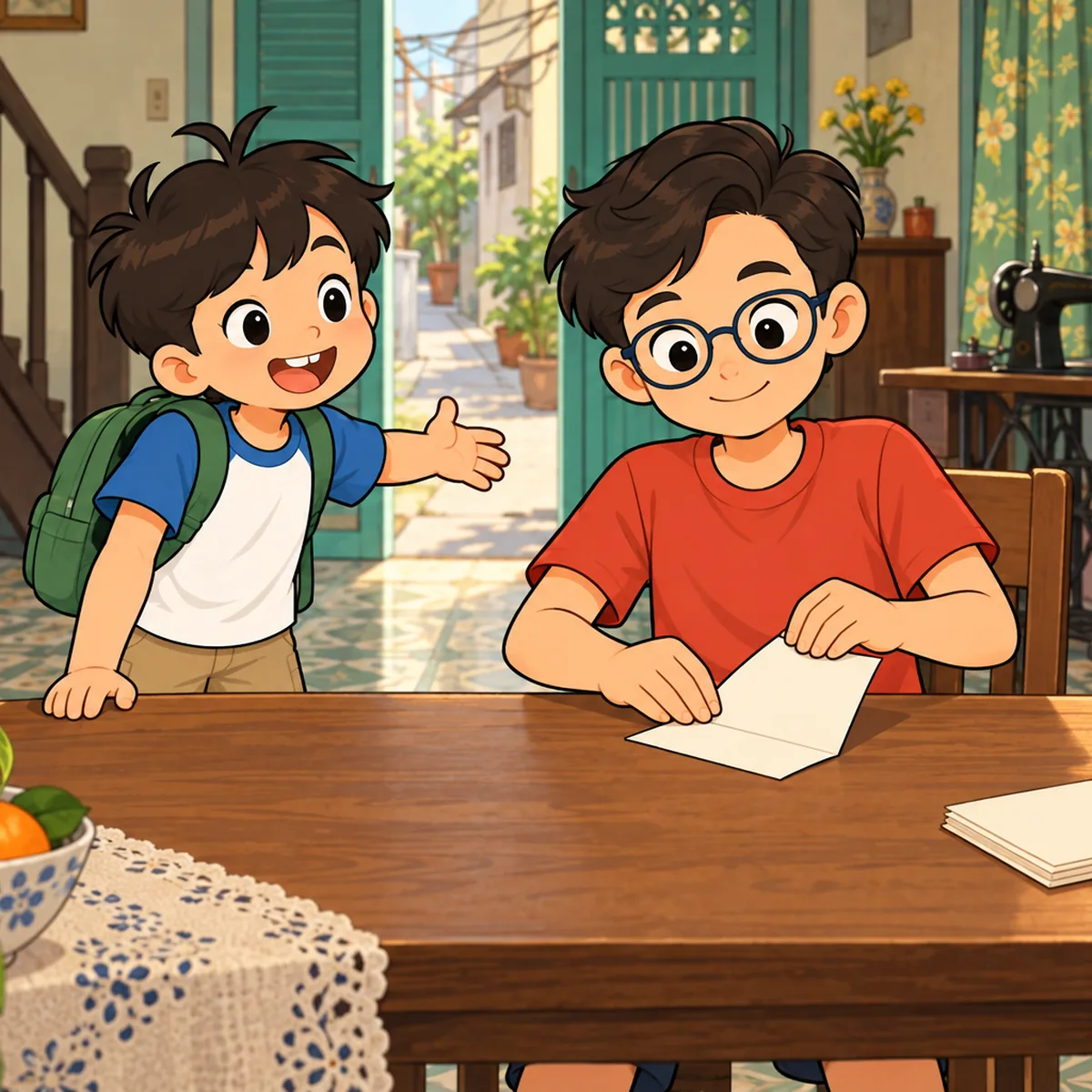
Tiếng Việt Của Con — Southern Vietnamese for Kids by SVFF
For parents wanting to teach their kids to learn to read Vietnamese, the jump from speaking to spelling can feel huge. While studies show children often understand far more than they can say, reading adds another layer of complexity with six written tones and new vowels. The best approach for heritage children is to start reading the exact Southern Vietnamese words they already know how to say, like ba and má.
Start with heard words

Start with a word the child can already hear and use, perhaps ba, má, or a sibling's name. Say it, point to its person or picture, then show it in print. The written form now answers a question the child already cares about: ‘Which word says Má?’ Avoid starting with a long alphabet chart before the sounds mean anything. For a child who is still in a fully oral stage, keep reading playful and wait until they are ready to notice letters.
Decode ba and má
Write ba and má in large letters. Say each word in your family's Southern voice, then let the child point to the matching person. Move your finger under the letters as you say the word, without stretching the syllable into an English spelling pattern. Vietnamese letters and digraphs do not always behave like English ones. A parent who is unsure can listen with the child to a trusted Southern model rather than inventing a pronunciation rule.
Add written tone marks
Once the spoken words are familiar, notice the mark above má. Ask whether the child hears a difference between ma and má when a fluent speaker says them. Show the written forms side by side, then return to the real family word. Tone marks are part of spelling and meaning, not decorative accents to add after the fact. Teach one useful contrast at a time; a page of six tone names is too much for a first reading moment.
Read a short sentence aloud
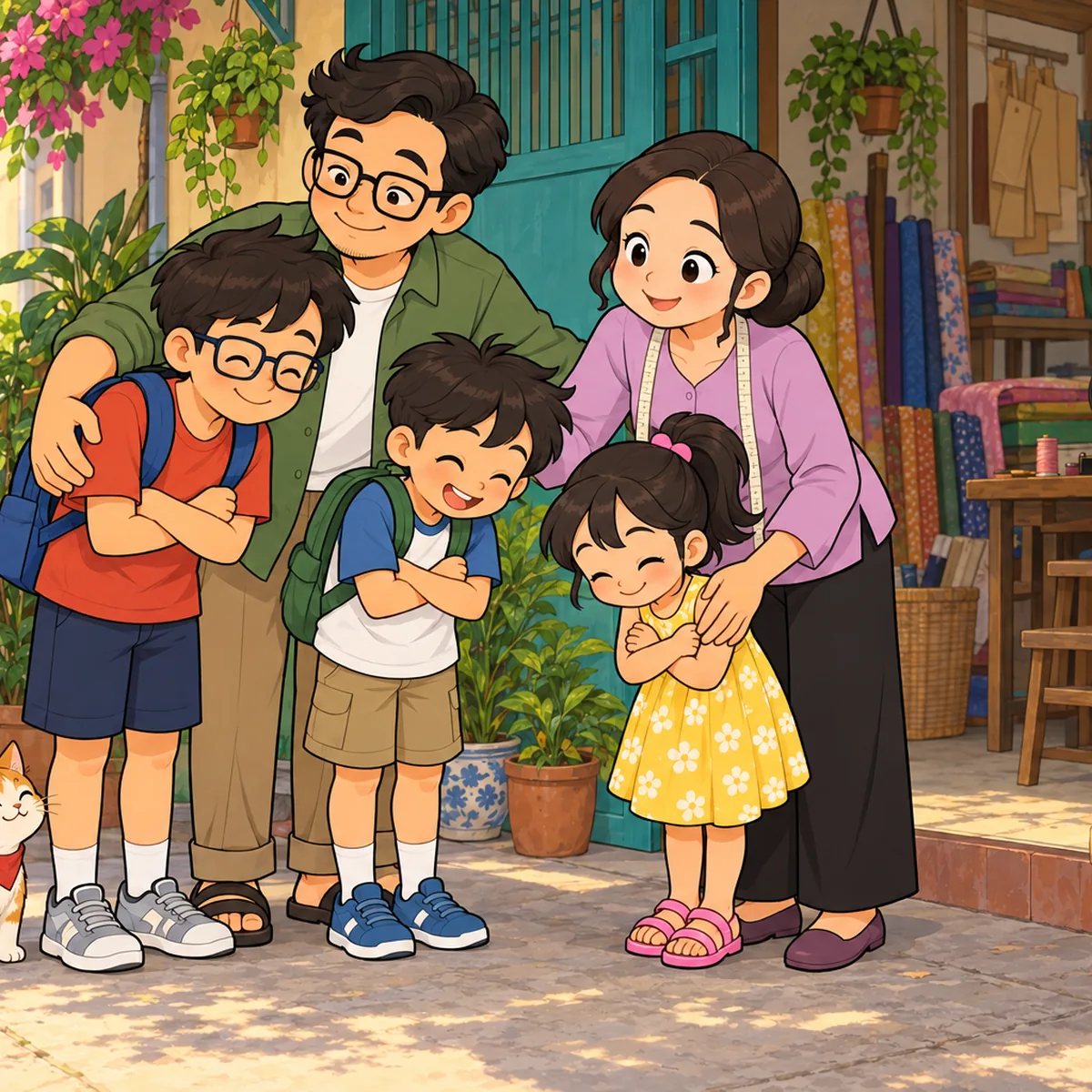
Make one short sentence from words your child knows: ‘Ba chào Má.’ Point to each word while reading it naturally. Invite the child to find Ba at the start and Má at the end. Tomorrow, swap a person: ‘Bo chào Bà.’ If the child reads only one word aloud, finish the sentence together. A short sentence gives the new written word a job in conversation and prepares the child for the illustrated stories in the next lesson.
Check meaning, not speed
Ask what the sentence means or who is doing the action. A child may read slowly but understand perfectly, or recognize the whole printed phrase without being able to decode a new word yet. Both observations help you choose the next practice. Stop before fatigue turns reading into a race. Keep a small set of meaningful words on the fridge and revisit them in different stories, instead of timing pages or demanding flawless tone marks on the first try.
Are you ready to support your child's journey? Explore our Tiếng Việt Của Con series today and give them the gift of the family language.
Book a free trial for my child
Frequently asked questions
What Vietnamese word should a child read first?
Start with a word the child can already hear and use, perhaps ba, má, or a sibling's name. Say it, point to its person or picture, then show it in print.
When should we introduce tone marks?
Once the spoken words are familiar, notice the mark above má. Ask whether the child hears a difference between ma and má when a fluent speaker says them.






0 Comments
Log in to leave a comment.