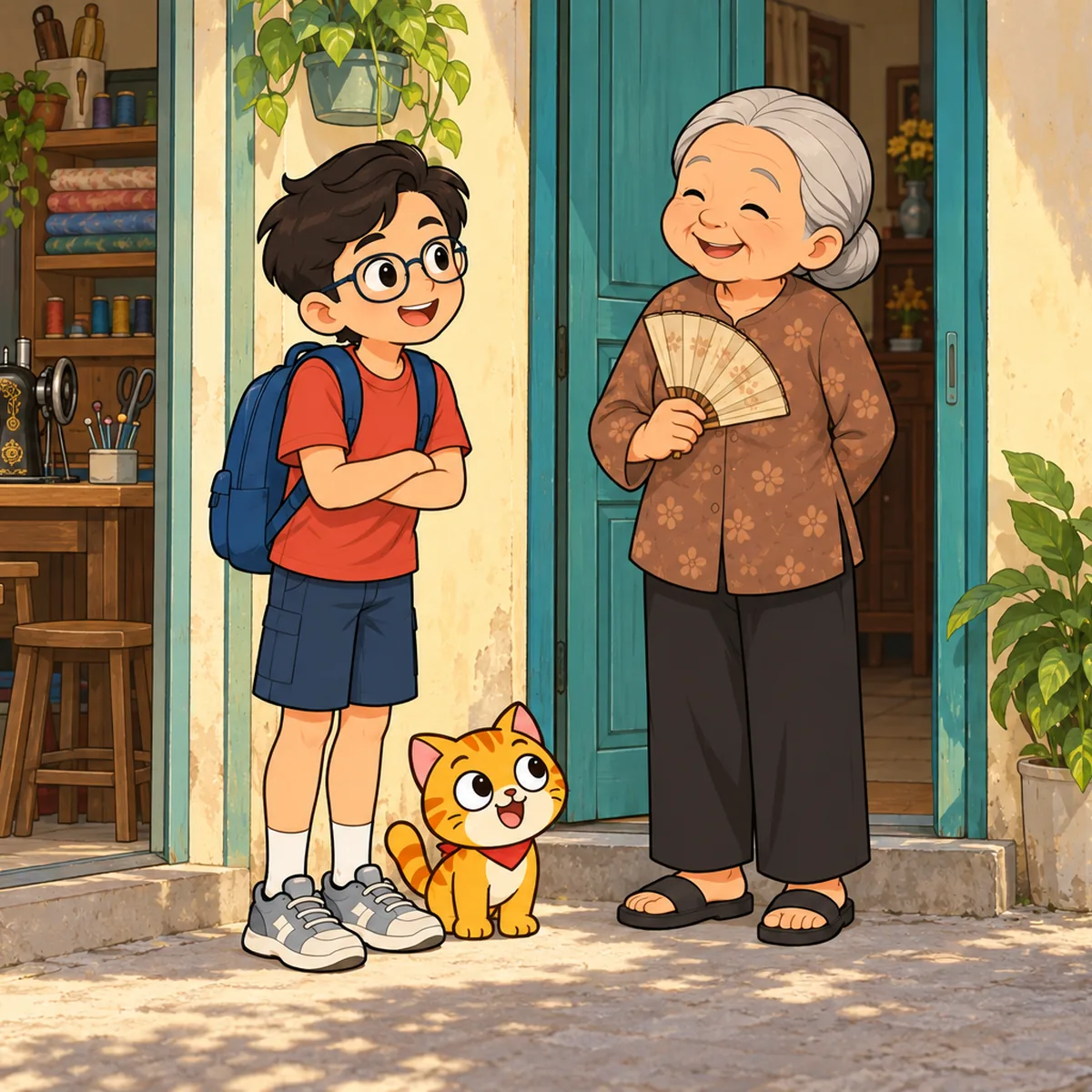
Tiếng Việt Của Con — Southern Vietnamese for Kids by SVFF
When you start teaching a heritage language, a common piece of advice is 'just get them speaking.' But what happens when the Vietnamese they learn on an app doesn't match the Vietnamese spoken at your family dinner table? Because the initial U.S. refugee communities were strongly shaped by people from the former South, teaching the Southern dialect is essential for connection. It ensures your child's first words instantly resonate with their grandparents.
The difference between a textbook and a grandmother
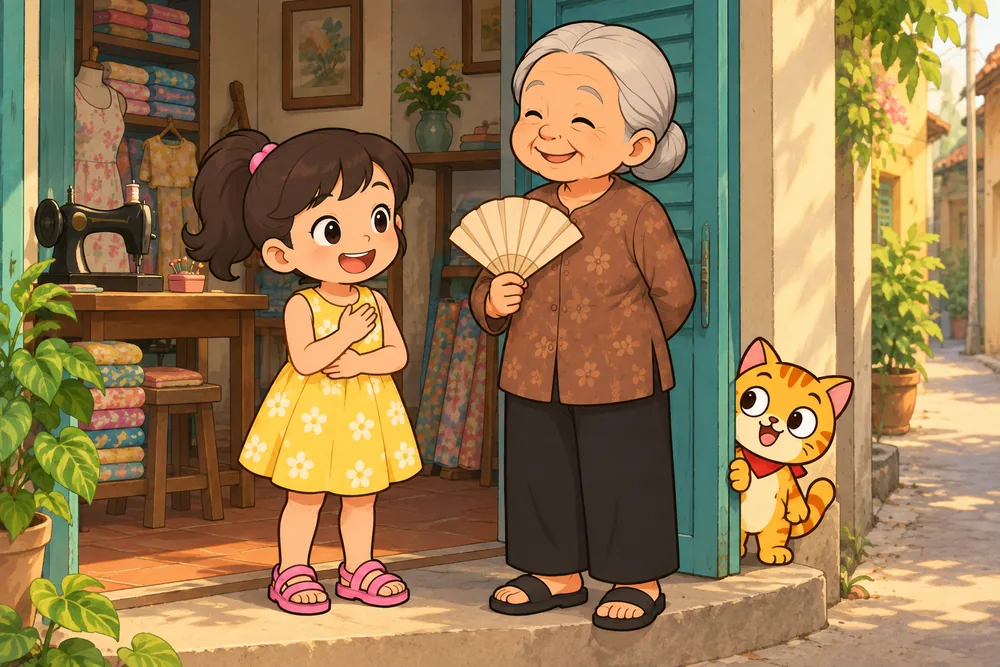
A textbook can give structure, but it cannot know which words your grandmother uses for food, greetings, and relatives. Put a familiar phrase from home beside a line in a book. If the book says mẹ and your family says má, show both and explain which person would expect which word. Neither version is a mistake. For early practice, let the child answer using the word they hear at the family table. That makes reading and real conversation support each other.
Why the Southern accent is crucial for many US families
For some families whose roots are in southern Vietnam, a Southern speaking model helps a child recognize relatives' voices immediately. Other Vietnamese-American homes have Northern, Central, or mixed histories. Ask where your own relatives learned to speak and what words they actually use; do not guess from a surname or immigration story. If your family says dạ, ba, and má, look for those in audio and sample lessons. The goal is a match with loved ones, not a claim that one accent is superior.
How mixed dialects work at home
Mixed-dialect homes can make room for both sides. Write down a few paired family words—perhaps má/mẹ or ba/bố—with the name of the relative who uses each one. During a call, let the child use that relative's preferred address term. A parent can say, ‘Bà says it this way; Grandpa says it that way.’ Avoid turning differences into a correction contest. Children can learn that one idea has more than one spoken form while still choosing a consistent model for daily practice.
Avoiding the 're-learning' phase
If a child learns only from a recording that sounds unlike home, a conversation may require extra adjustment. You can reduce that friction by introducing family voices early: short voice notes, greetings during meals, and stories read by relatives. Do not tell a child they must start over if they already know another dialect. Keep the useful words they have, add the home version beside them, and practice in context. A bridge between accents is easier to build than a feeling that earlier learning was wasted.
Taking the first step
Pick one phrase a relative says every week, such as ‘Con ăn cơm chưa?’ Ask them to record it if convenient. Play it once, say it together, and use it when the real moment arrives. Then ask the child which part they recognized. On the next call, invite the same relative to use the phrase naturally. This small loop—hear, understand, answer—makes the family's dialect a living connection rather than a category on a course label.
Are you ready to support your child's journey? Explore our Tiếng Việt Của Con series today and give them the gift of the family language.
Book a free trial for my child
Frequently asked questions
Should my child learn the dialect our family speaks?
For some families whose roots are in southern Vietnam, a Southern speaking model helps a child recognize relatives' voices immediately. Other Vietnamese-American homes have Northern, Central, or mixed histories.
What if relatives use different Vietnamese dialects?
Mixed-dialect homes can make room for both sides. Write down a few paired family words—perhaps má/mẹ or ba/bố—with the name of the relative who uses each one.





0 Comments
Log in to leave a comment.