Tiếng Việt Của Con — Southern Vietnamese for Kids by SVFF
At 6 to 8 years old, children are naturally curious, starting to read in English, and eager for connection. For parents teaching Vietnamese at home, the goal of the first week shouldn't be spelling drills. The evidence suggests that early, ongoing exposure links to better later vocabulary—but it has to be fun. If you want your child to happily call out “Dạ!” when you say their name, or greet their grandparents with confidence, their first week of Southern Vietnamese should feel like play, not a chore.
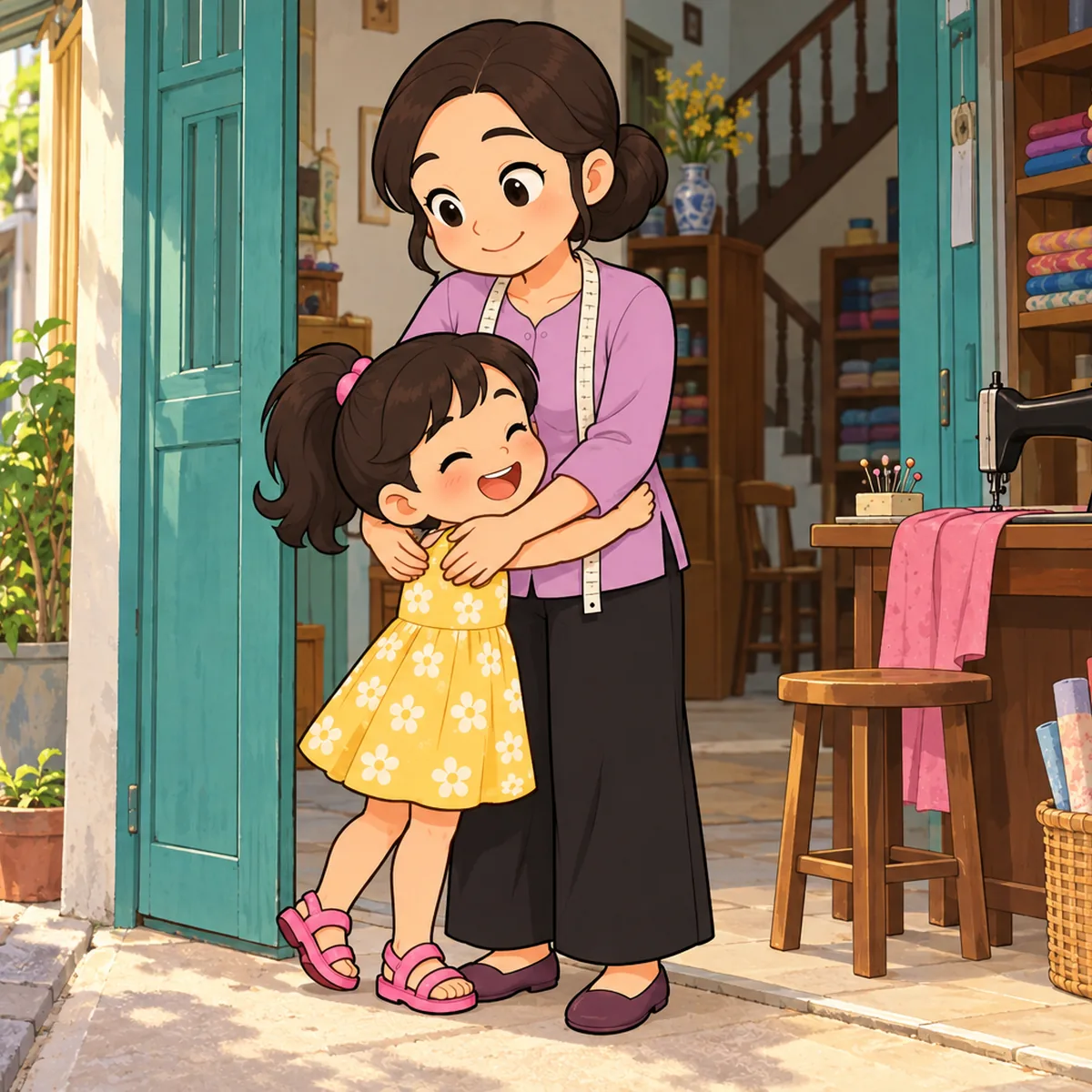
Listen and answer “Dạ”
The most important step in the first week of Vietnamese is listening. Before children can speak sentences, they need to tune their ears to the melody and tones of the language. In Southern Vietnamese culture, one of the most foundational and respectful words a child can learn is “Dạ” (Yes / polite acknowledgment).
Rather than teaching “Dạ” as a strict vocabulary translation, we teach it as an action. In their very first Level 1 lesson, the teacher will call the child's name. The child's goal is simply to recognize their name being called and respond with a clear, polite “Dạ!”.
You can practice this at home today:
- Call your child from across the room.
- Prompt them to respond with “Dạ” instead of “What?” or “Yes?”.
- Praise them immediately when they get it right.
This simple call-and-response builds a habit of participation. It teaches the child that they can already interact in Vietnamese, breaking the ice without requiring them to construct a full sentence.
Say ba and má
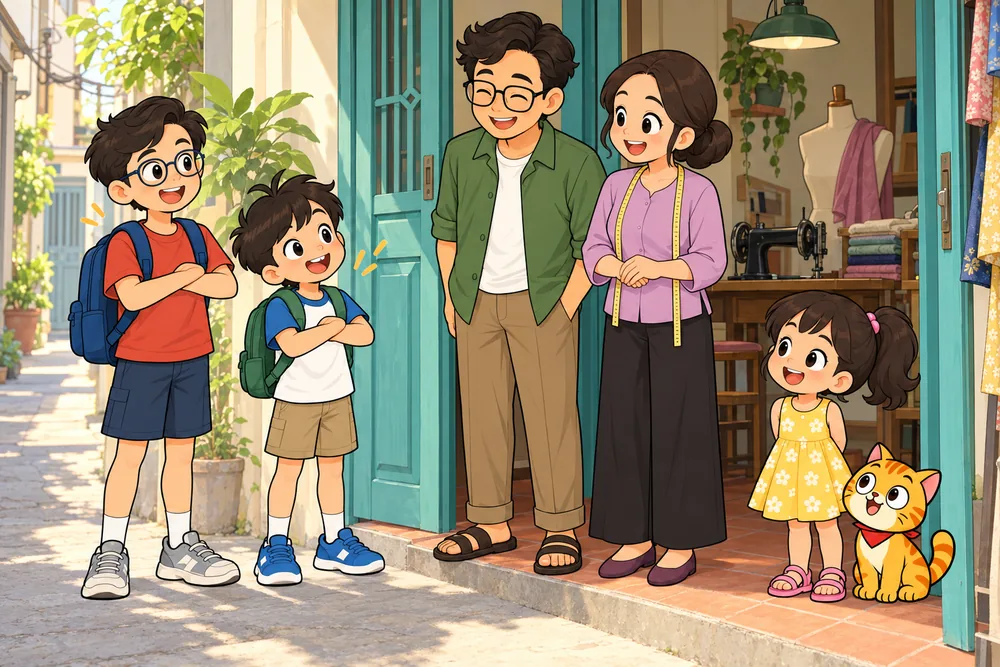
Next, we introduce the most familiar people in a child's life: family. We start with ba (dad) and má (mom). These words are short, meaningful, and incredibly easy for a 6 to 8-year-old to say.
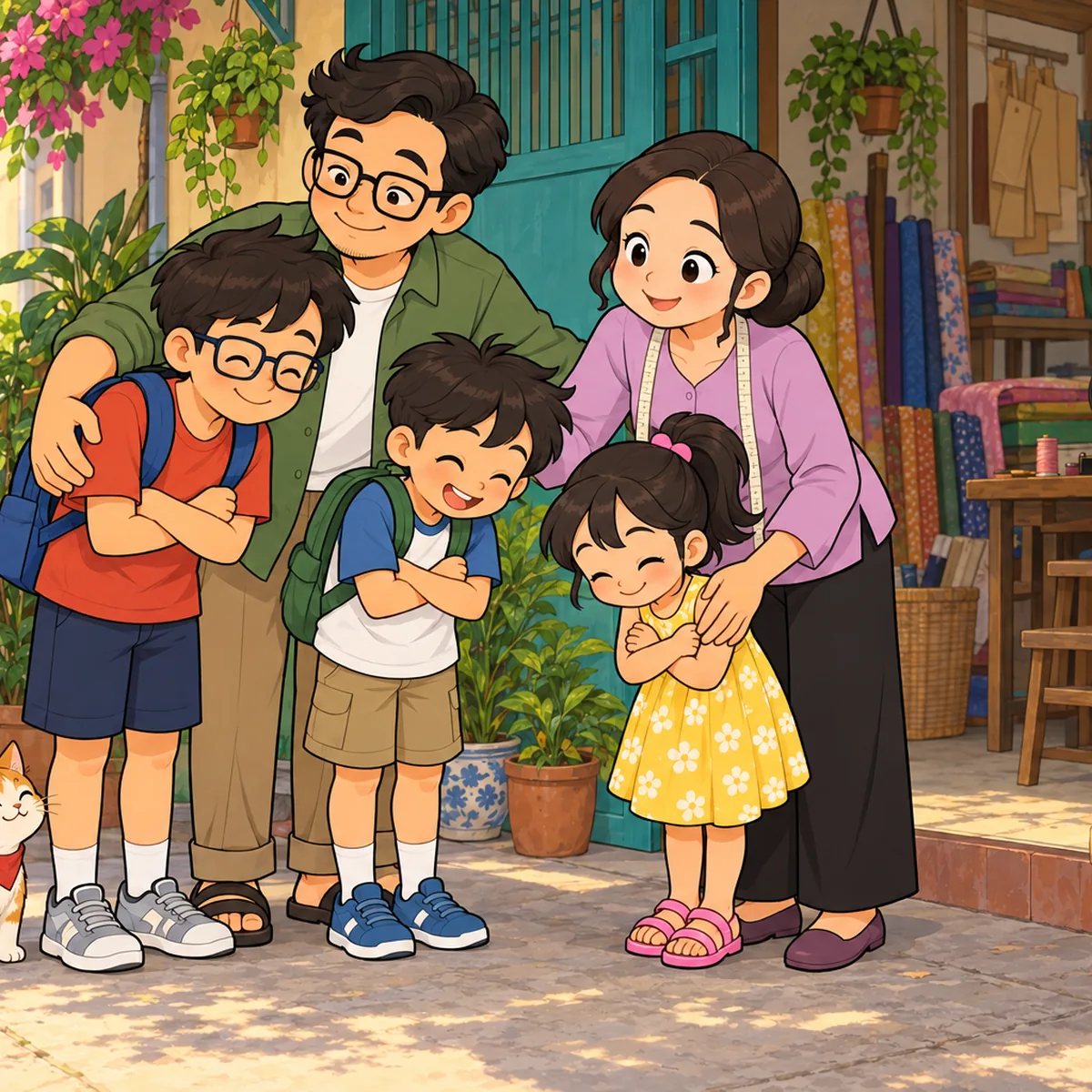
In our lessons, we introduce these words alongside pictures of our story family. The children learn to point and say the words out loud.
Introduce letters without a spelling marathon
For children aged 6 to 8, literacy is just beginning to take root in their primary language, usually English. The last thing we want is to overwhelm them with a complex new alphabet system and spelling rules.
During the first week, we introduce letters visually, but we do not run a "spelling marathon." Instead of memorizing the entire Vietnamese alphabet, we look at the shapes of the letters in the words they have just learned to say, like b and a in ba, or m and a in má.
We let children tap, point, and play to respond. The focus is on recognizing the sound and the whole word, not on spelling it out letter by letter. This keeps the child engaged and prevents the frustration that often comes with early reading drills.
Three five-minute home games
A crucial part of our approach is "Mỗi ngày một chút" (A little every day). We recommend about 15 minutes of daily practice at home, but for the first week, you can break this down into tiny, five-minute games. Here are three simple ideas to get you started:
- The High-Five Game: Stick a post-it note with the word "Ba" on dad's back, and "Má" on mom's back. Have your child run up, give a high-five to the post-it, and shout the word.
- Point and Tap: Open your digital textbook on a tablet. Ask your child to find the picture of "Bà ngoại" (Grandma) or the family's orange kitten, "Cam." When they tap it, they say the name out loud.
- The "Dạ" Hide and Seek: Play a quick game of hide and seek. When you are looking for them, call out their name. They must respond with "Dạ!" so you can find them.
These games do not require heavy preparation, and they keep the learning joyful and active.
What readiness looks like
How do you know if your child is ready to start? At ages 6 to 8, readiness doesn't mean they can already sit perfectly still for an hour.
Readiness looks like:
- Being able to focus on a 30-minute interactive live lesson with a teacher (we do two of these a week).
- A willingness to play along with simple pointing and repeating games.
- Being able to follow basic instructions in English (which our teachers use to support absolute beginners before gradually transitioning to more Vietnamese).
If your child meets these criteria, they are ready to begin their journey. We provide a gentle onboarding process, ensuring that the first week is filled with smiles, not stress.
Ready to see how your child enjoys their first week? Book a free trial for my child today and let them meet their new teacher!
Frequently asked questions
Must my child read English first?
No, they do not need to read English fluently to start. Level 1 introduces simple letters alongside pictures and sounds, keeping the focus on recognizing spoken words and matching them to what they see.
How are tone marks introduced?
In the beginning, we focus on the spoken sound, associating tones with natural words like 'má' or 'bà' without explicitly drilling the names of the marks. Tone marks in print follow once oral recognition is comfortable.
Where does a child with some Vietnamese start?
If your child already understands some spoken Vietnamese, they take a quick 10-minute placement chat with a teacher to see if they fit better in a later unit or level, bypassing the absolute beginner stage.




0 Comments
Log in to leave a comment.